Wildlife & Ecology Spectroscopy
Spectroscopy provides powerful tools for studying how animals perceive light, display coloration, communicate, and interact with their environments. From ultraviolet vision in birds and insects to underwater light conditions in marine ecosystems, UV-Vis-NIR spectroscopy helps researchers characterize the optical properties of biological structures and natural habitats.
StellarNet spectrometers and optical measurement accessories support applications in animal vision, reflectance and transmission measurements, behavioral ecology, marine biology, conservation research, and habitat lighting. Portable instrumentation enables laboratory and field measurements across a wide range of ecological studies.
Featured Articles
Seeing Through Birds' Eyes: Spectroscopy for Bird-Strike Prevention
Researchers have used StellarNet BLACK-Comet spectroradiometers to study how birds perceive aircraft colors and warning lights. By measuring spectral reflectance and illumination, scientists can evaluate visual contrast from an avian perspective and investigate strategies for reducing bird–aircraft collisions.
Marine & Reef Ecology
When Night Is No Longer Dark: Light Pollution and Oyster Biology
Scientists at the University of Bordeaux used a StellarNet BLUE-Wave UVN-100 spectroradiometer to characterize artificial nighttime lighting in experiments with Pacific oysters. Their research showed that even low levels of nighttime illumination could disrupt daily activity and molecular rhythms, revealing an important environmental threat to coastal ecosystems.
The Science of Warning Colors: How Poison Frogs See and Signal
Brilliantly colored poison frogs use visual signals in mate selection and predator interactions. Research using StellarNet spectroscopy has quantified frog skin reflectance to investigate how color signals influence communication and survival. These measurements help connect the physical properties of coloration with the visual systems of frogs and their predators.
Customer Research & Publications
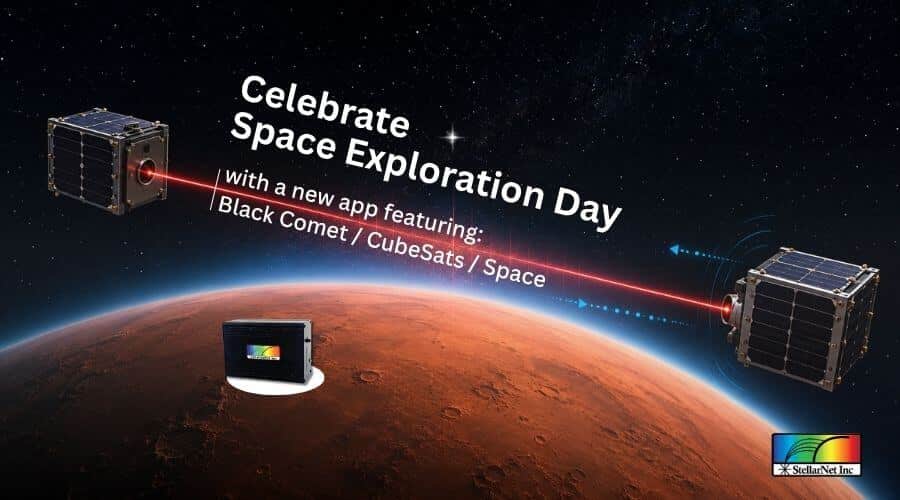
Space Exploration Day
View our Spectrometer Lineup Spectrometer Learning Center Research Spotlight : Enabling the Next Generation of Planetary Atmospheric Spectroscopy Space exploration has entered a new era of compact,...
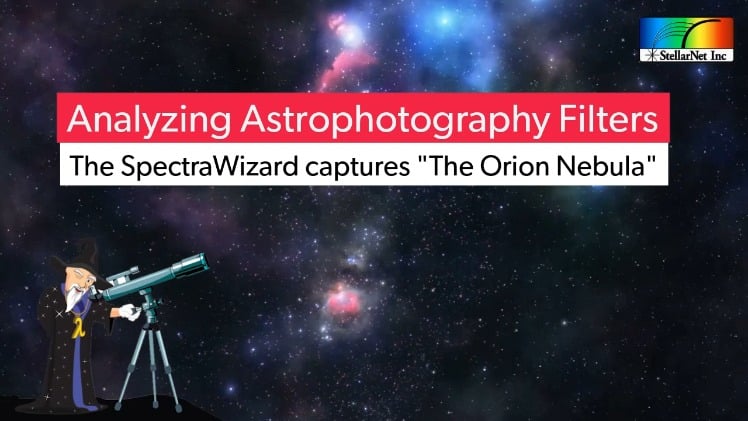
Analyzing Astrophotography Filters- The SpectraWizard captures the Orion Nebula
After analyzing the spectrum of Sirius and Betelgeuse, the SpectraWizard decided to take a shot with astrophotography. His journey takes him to the Great Orion Nebula where he creates a superimposed...

Analyzing the Spectrum of Sirius: SpectraWizard Spots “The Dog Star”
The next stop on the SpectraWizard's exploration of the Universe is Sirius: The Dog Star. Found in the Constellation Canis Major, Sirius is always easy to find because it is the sky's brightest...
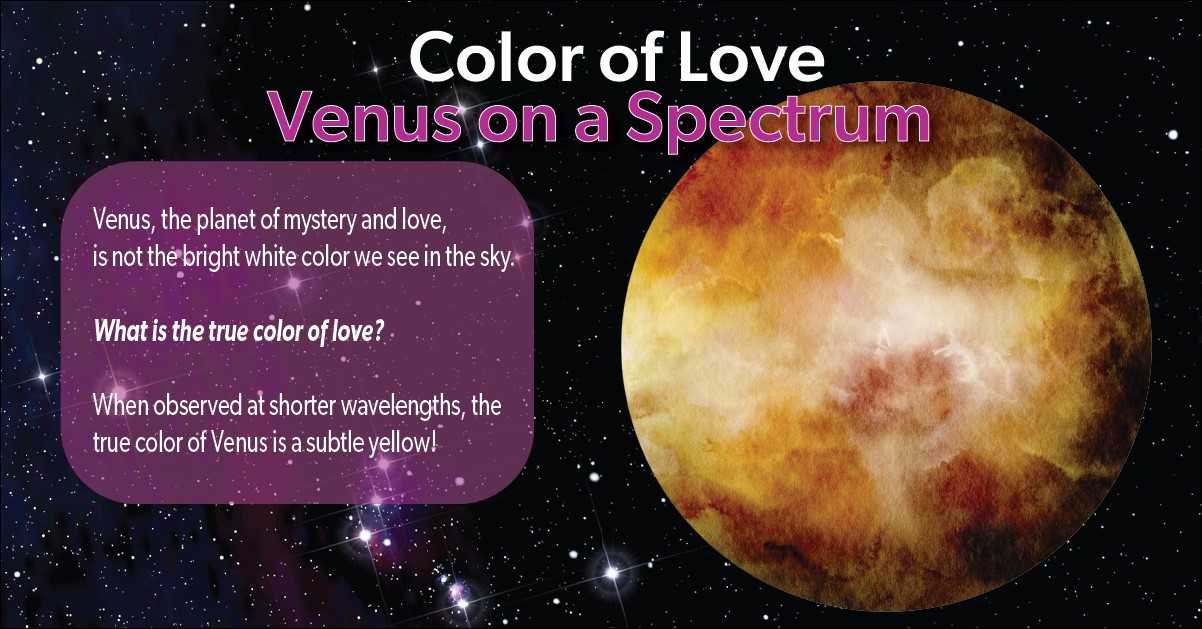
Color of Love: Venus on a Spectrum
To the human eye, Venus appears as white but it's true colors are actually eclipsed by the Sun's light. If you use a far ultraviolet camera/spectrograph, you can capture the true color of the...
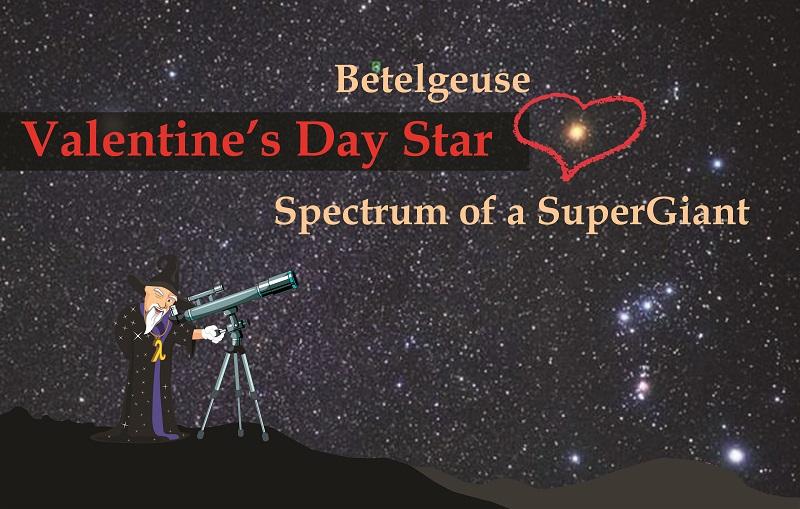
Analyzing the Spectrum of Betelgeuse the Valentine’s Day Star
The SpectraWizard begins his quest to explore the Universe and "Develop Intelligence from Light" by taking a look at Betelgeuse, the Valentine's Day star. The SpectraWizard is a bit of a romantic...
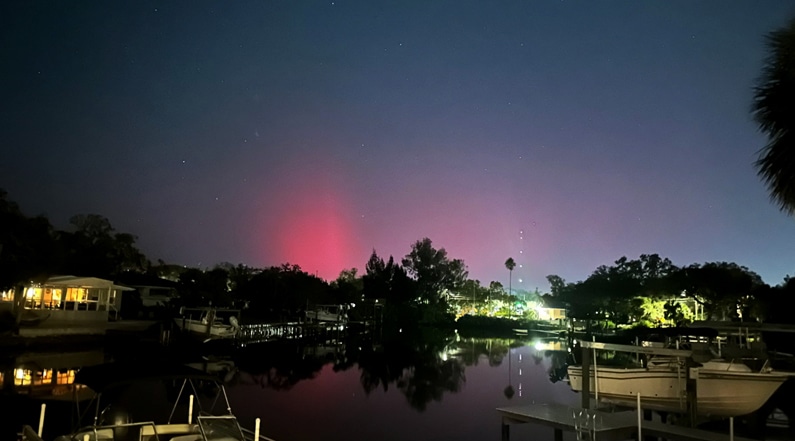
Aurora Spectroscopy with StellarNet
Recent solar storms have transformed skies across the country, pushing dazzling auroras far beyond their usual reach—even into Florida. On November 11th, long-exposure photography captured vibrant...
Spectroscopy Applications
lighting, displays & radiometry
food safety & quality
thin films & optical coatings
advanced & quantum materials
pharmaceuticals & nutraceuticals
biomedical & life sciences
environmental & microplastics
industrial & Process analysis
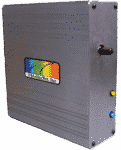
Recommended Wildlife & Ecology Spectrometers
Learn More
Explore spectroscopy and optical measurement for wildlife and ecology through practical guides, application notes, videos, technical resources, and real-world research. Learn how spectroscopy is used to study animal vision, coloration, camouflage, behavioral ecology, habitat conditions, and conservation, with applications spanning birds, marine and reef ecosystems, reptiles, amphibians, and zoo wildlife. These Learning Centers provide practical resources to help researchers, conservationists, educators, and students understand spectral measurements and apply spectroscopy to the study and protection of wildlife and natural ecosystems.
-
Spectroscopy Guides & Tutorials — Learn the fundamentals of spectral reflectance, irradiance, radiance, color measurement, calibration, and practical techniques for wildlife and ecological research.
-
Application Notes & Research — Explore real-world applications of spectroscopy in animal vision, coloration, camouflage, behavioral ecology, habitat monitoring, and wildlife conservation, including studies of birds, marine life, reptiles, and amphibians.
-
Videos, Labs & Technical Resources — Explore spectroscopy demonstrations, educational labs, software resources, experiments, and practical measurement techniques for studying wildlife and natural ecosystems.