Radiometers and Spectral Measurement Systems
StellarNet radiometers and spectral measurement systems provide accurate characterization of light sources, optical emissions, and radiometric properties across laboratory, industrial, research, and OEM applications. Designed for precision optical measurements, these systems combine high-performance spectrometers, calibrated optics, software, and accessories into complete solutions for LED testing, solar irradiance monitoring, laser characterization, display measurement, plasma analysis, and optical research.
Available in portable, laboratory, and integrated system configurations, StellarNet radiometers support photometric, radiometric, colorimetric, and spectral measurements across the UV, visible, and near-infrared wavelength regions. Whether evaluating LED performance, monitoring solar radiation, characterizing laser output, measuring display quality, or analyzing plasma emissions, StellarNet provides flexible measurement solutions designed to deliver accurate, repeatable, and traceable results.
Explore our radiometry solutions below to find the ideal system for your optical measurement, product development, quality control, and research requirements.
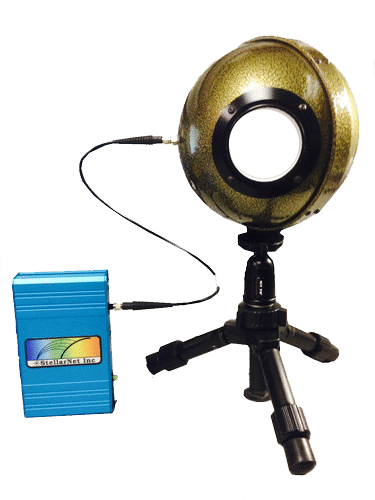
LED Measurement Systems
Measure LED spectral power distribution, color characteristics, CRI, TM-30, irradiance, and photometric performance.
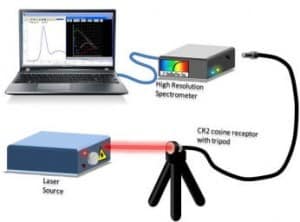
Laser Monitoring Systems
Monitor laser wavelength, power distribution, spectral stability, and process performance.
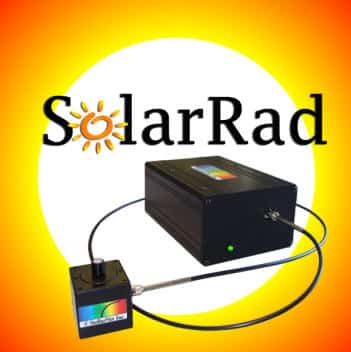
Solar Spectral Irradiance Systems
Characterize solar radiation, photovoltaic performance, atmospheric measurements, and renewable energy research.
Plasma & OES Systems
Perform plasma monitoring, optical emission spectroscopy, elemental analysis, and process control measurements.
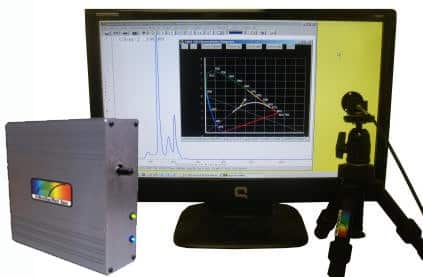
Display Measurement Systems
Evaluate display brightness, color quality, spectral output, uniformity, and optical performance.
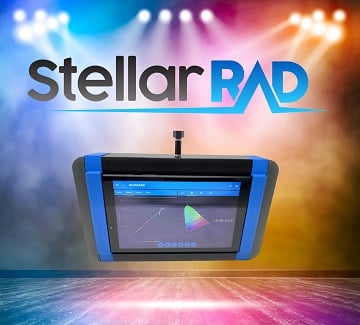
Handheld Radiometers
Turn-key solution for portable light measurement. This handheld radiometer is an easy-to-use research-grade spectrometer for field testing of lights with no additional setup required.
Light Measurement Software & Analysis Tools
StellarNet software solutions provide powerful tools for spectral acquisition, radiometric analysis, photometric measurements, color characterization, reporting, and data visualization. From SpectraWiz® spectroscopy software and StellarPro™ analysis platforms to RadiantSuite™ light measurement software, users can perform LED characterization, solar irradiance monitoring, color analysis, TM-30 reporting, CRI calculations, and advanced spectral data processing through intuitive, application-focused interfaces.
NIST-Traceable Radiometric Calibration Services
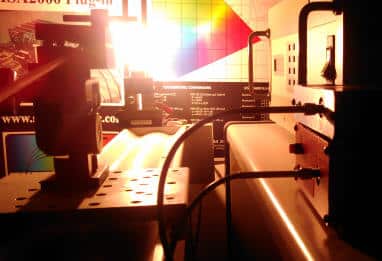
StellarNet provides NIST-traceable radiometric calibration services for spectroradiometers and spectral measurement systems across UV, visible, and near-infrared wavelength ranges. Calibrations are performed using certified NIST-traceable irradiance standards to ensure accurate and repeatable spectral measurements for LED testing, solar irradiance monitoring, display characterization, laser measurement, and optical research applications.
Low-Light Radiometer Configurations
Many radiometer applications involve measuring low-intensity light sources such as UV LEDs, ambient lighting, displays, low-power lasers, and other weak optical emissions. Accurate low-light measurements require high sensitivity, optimized optics, and low detector noise.
StellarNet radiometers can be configured with larger entrance slits, low-light irradiance calibrations, and optional thermoelectrically cooled (TEC) detectors to maximize sensitivity and improve signal-to-noise performance. These enhancements allow longer integration times and more accurate spectral irradiance measurements for demanding low-light applications.
Contact a StellarNet applications engineer to discuss the optimal radiometer configuration for your specific measurement requirements.
High-Performance Radiometers with StellarElite™ Spectrometers
For applications requiring exceptional sensitivity, spectral resolution, and measurement accuracy, StellarNet radiometers can be configured with StellarElite™ high-performance spectrometers. These advanced systems are ideal for demanding radiometric measurements including LED characterization, solar spectral irradiance monitoring, laser analysis, display testing, plasma diagnostics, and optical research.
Featuring high-sensitivity detector technology, enhanced optical performance, and configurable wavelength ranges from the UV through the NIR, StellarElite-based radiometers provide precise spectral measurements across a wide range of light sources and operating conditions. Available with NIST-traceable calibration options, these systems deliver the accuracy, stability, and repeatability required for research laboratories, product development, and advanced optical testing applications.
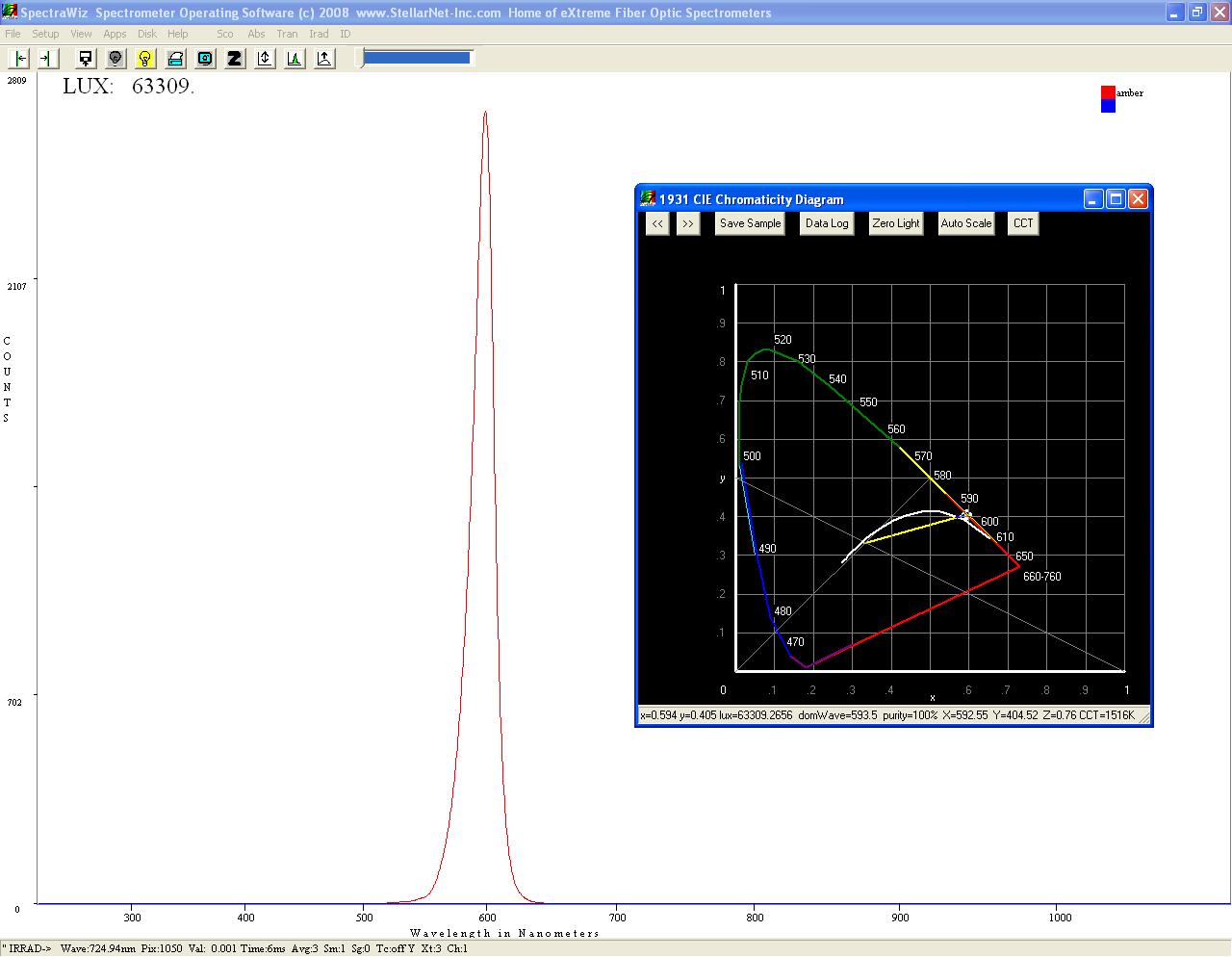
SpectroRadiometer Applications – Sample Spectra
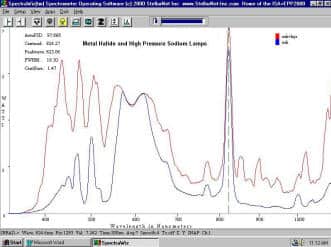
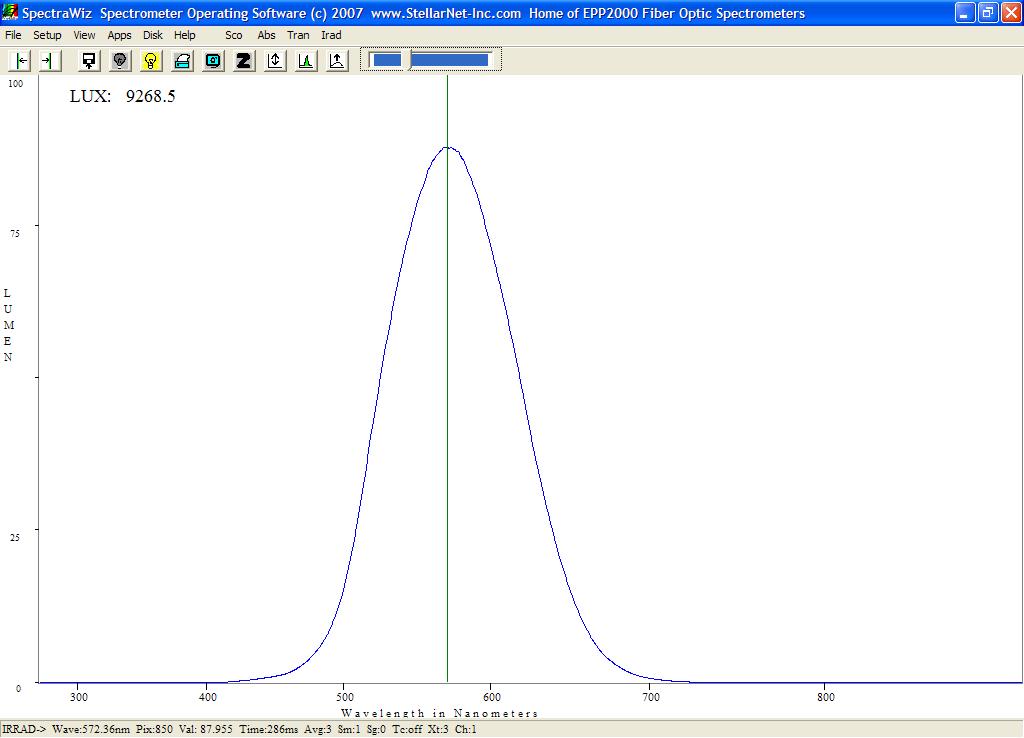
Dual DSR Spectroradiometer
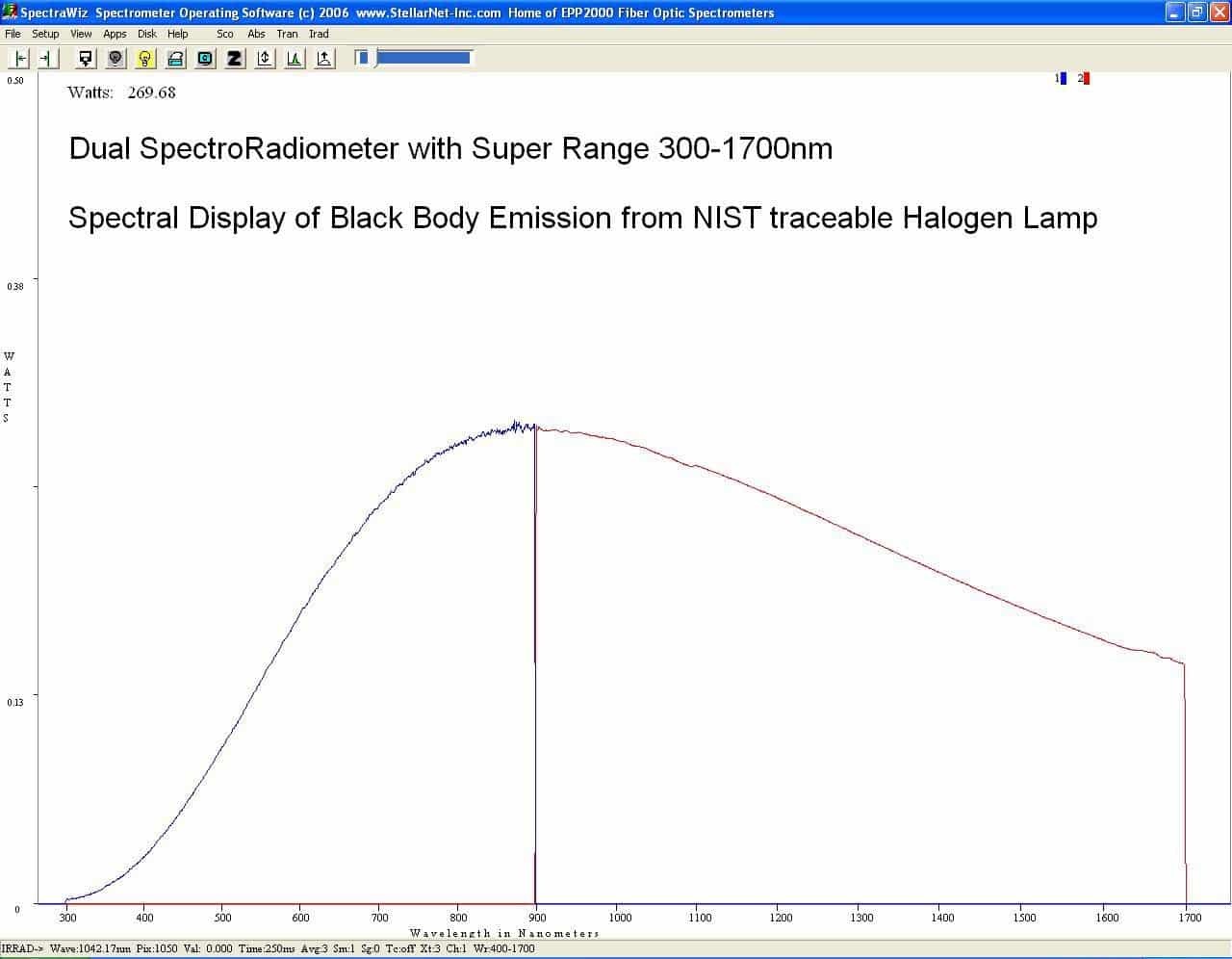
Halogen-lamp spectra (300-1700nm). StellarNet Dual DSR system pictured above uses a Y bifurcated fiber (F600-Y-UVSRNIR) to connect a BLACK-Comet-SR spectrometer and a RED-Wave NIR Spectrometer. The entire system can be radiometrically calibrated over the range 200-1700nm. Above system pictured with Flash Capture Interface (FCI) that allows spectrometer to capture emission from flashing sources such as flashtubes and pulsed solar simulators.
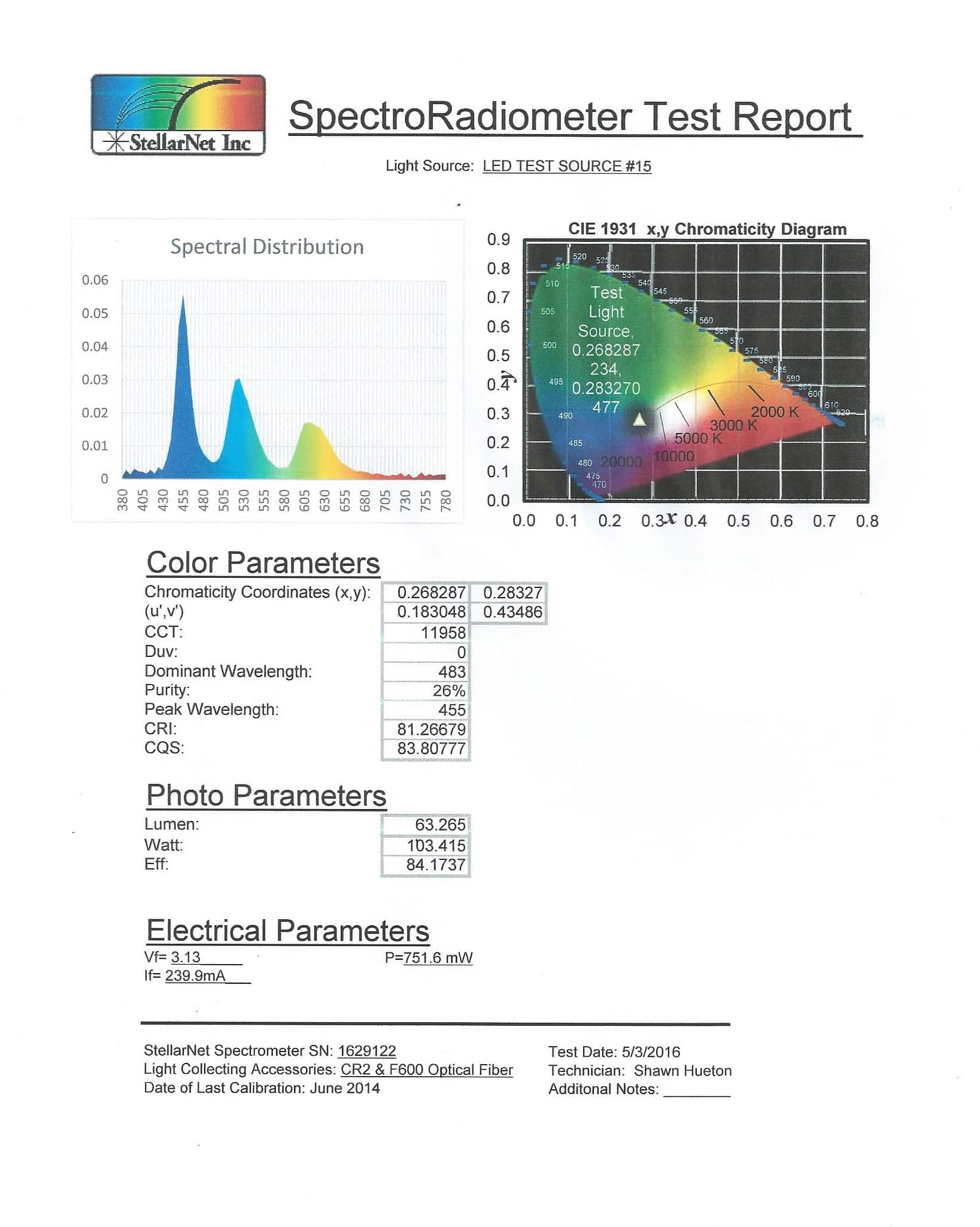
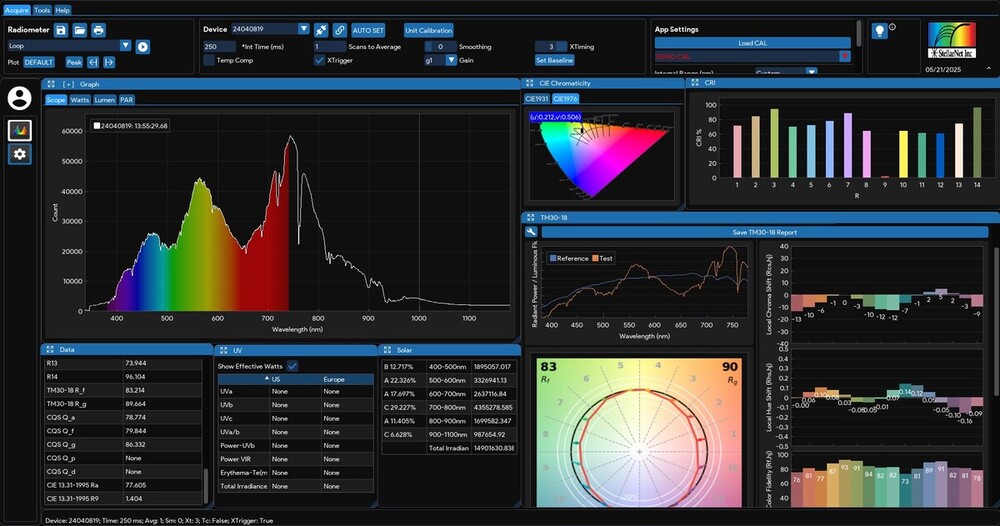
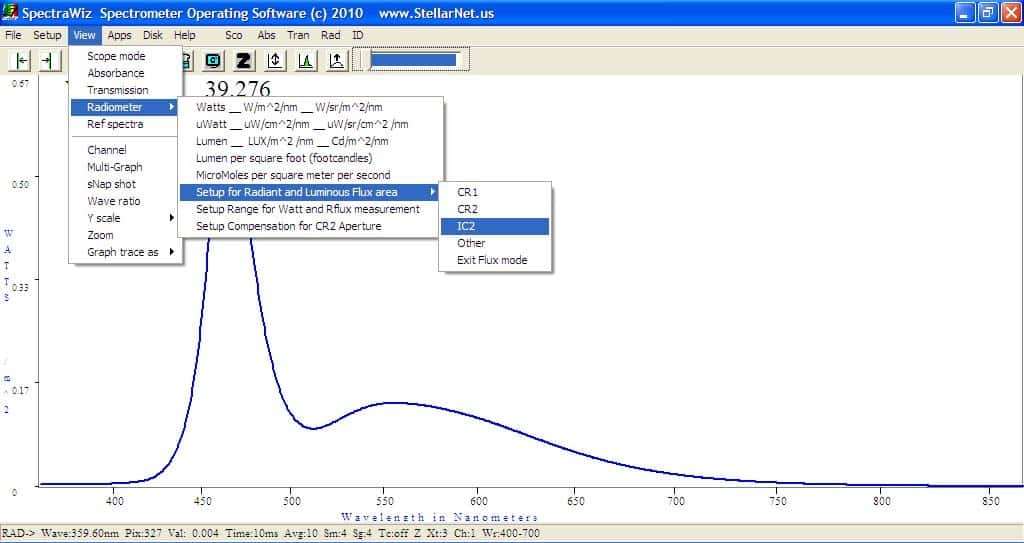
Displays all Color & Radiometric test parameters on one sheet for easy testing, review, comparison, and printing
Frequently Asked Questions About Radiometers
What is a radiometer?
A radiometer is an instrument used to measure the intensity and spectral distribution of optical radiation across ultraviolet (UV), visible (VIS), and near-infrared (NIR) wavelengths. Radiometers are commonly used for LED testing, solar irradiance measurements, laser monitoring, display characterization, plasma analysis, and optical research.
What is the difference between a radiometer and a spectroradiometer?
A radiometer measures the intensity of light, while a spectroradiometer measures both the intensity and wavelength distribution of light. Spectroradiometers provide detailed spectral information, making them ideal for applications requiring color measurements, spectral irradiance analysis, and light source characterization.
What can a radiometer measure?
Radiometers can measure a variety of optical parameters including spectral irradiance, radiant power, spectral power distribution, wavelength distribution, color characteristics, and optical emission intensity. These measurements are used in lighting, solar energy, display technology, laser systems, and scientific research.
What industries use radiometers?
Radiometers are widely used in LED and lighting manufacturing, renewable energy, display development, semiconductor processing, optical research, environmental monitoring, aerospace, defense, and industrial quality control applications.
What wavelength ranges are available for StellarNet radiometers?
StellarNet radiometers are available across UV, visible, and near-infrared wavelength regions, supporting measurements from approximately 200 nm through 2300 nm depending on the selected spectrometer configuration and application requirements.
What is spectral irradiance?
Spectral irradiance is the amount of optical power received per unit area as a function of wavelength. Spectral irradiance measurements are commonly used for solar monitoring, LED characterization, UV source testing, horticultural lighting, and optical research applications.
Are StellarNet radiometers NIST-traceable?
Yes. StellarNet radiometers can be supplied with NIST-traceable radiometric calibrations using certified irradiance standards. Calibration certificates and documentation are available to support measurement traceability and quality assurance requirements.
Can StellarNet radiometers measure low-light sources?
Yes. StellarNet offers low-light radiometer configurations featuring optimized optics, larger entrance slits, low-light calibrations, and optional thermoelectrically cooled (TEC) detectors to improve sensitivity and signal-to-noise performance for demanding applications.
Can radiometers be customized for OEM and research applications?
Yes. StellarNet radiometers are available in portable, laboratory, industrial, and OEM configurations. Systems can be customized with specific wavelength ranges, detector technologies, optics, software, and calibration options to meet unique application requirements.
What software is available for radiometric measurements?
StellarNet radiometers are supported by SpectraWiz®, StellarPro™, and RadiantSuite™ software platforms for spectral acquisition, radiometric analysis, photometric measurements, color characterization, reporting, and data visualization. These tools support applications ranging from LED testing and solar monitoring to research and product development.
How should I cite a StellarNet spectrometer in my research?
Check out our guide on citing instrumentation in your research: https://www.stellarnet.us/how-to-cite-a-spectrometer/
Why Customers Choose StellarNet Radiometers
- Engineer-owned & operated with over 30 years of optical measurement expertise
- High-performance radiometers and spectroradiometers for UV, VIS, and NIR
- NIST-traceable calibration options for accurate and repeatable results
- Portable, laboratory, industrial, and OEM-ready system configurations
- LED, solar, laser, display, and plasma measurement solutions
- Powerful software for radiometric, photometric, and color analysis
- High-sensitivity and low-light measurement capabilities
- Rapid customization and application-specific system development
- US-based engineering, manufacturing, calibration, and technical support
Radiometry Demo Video

Find the Right Radiometer for Your Application
From LED testing and solar spectral irradiance measurements to laser monitoring, display characterization, and optical emission analysis, StellarNet radiometers provide accurate and repeatable spectral measurements across UV, visible, and near-infrared wavelengths. Explore our radiometry solutions to compare spectroradiometers, calibration options, wavelength ranges, and software capabilities for your specific measurement application.
Search our Radiometer Knowledge Base
Popular Topics Include :
SpectroRadiometry • Solar • Optical Emission • Laser • UV SpectroRadiometry • LED Mesurement • Integrating Systems
Radiometry Learning Center
Check out all of our radiometer manuals, technical specification, drawings, communication protocols, SDK info and much more!
Radiometer Customer Applications
Technical Information Request
BSA Mediated Stabilized Dispersion of Hydrophobic Organic Nanoparticles Produced by Pulsed Laser Fragmentation in Liquid
Akiko Sunada, Tomosumi Kamimura, and Ryohei Yasukuni | Journal of Laser Micro Nanoengineering | August 1, 2026 | 10.2961/jlmn.2026.02.2009 Abstract The complex synthesis of nanopharmaceuticals still faces hurdles regarding stability, sterilization, storage, and...