- Spectral Distribution
- PAR (Photosynthetically active radiation)
- Changes in blue, red, and far-red light reaching soil surface
- How canopy density altered incoming sunlight
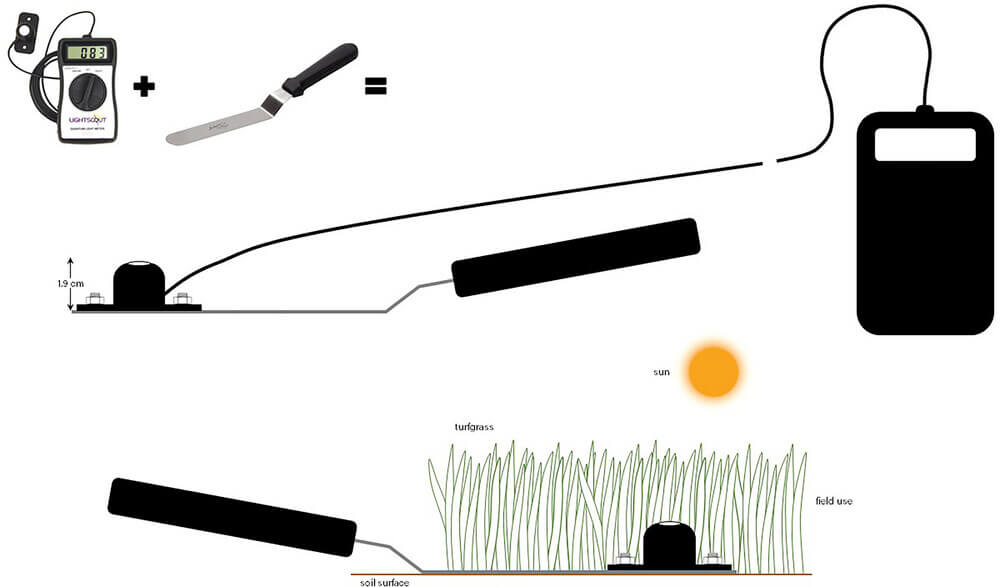
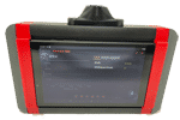
Figure 1: A sensor and meter (LightScout Quantum Meter; Spectrum Technologies, Inc.) was mounted to a 10.8-cm icing spatula and used to measure photosynthetic photon flux density (PPFD) 1.9 cm above the soil surface of turfgrass plots.
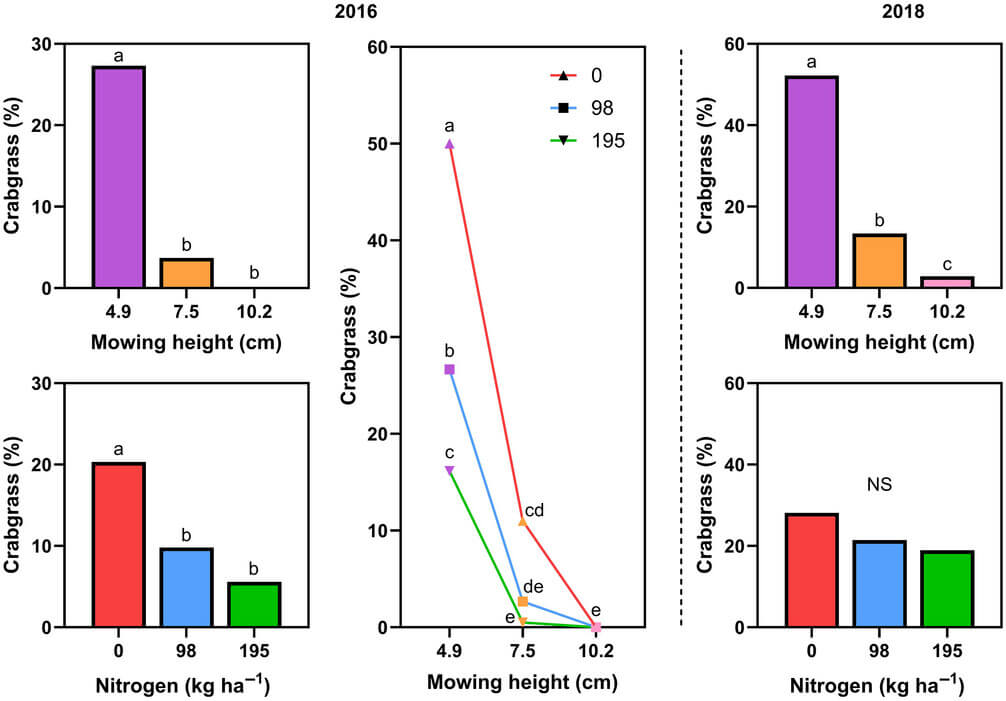
Figure 2: Smooth crabgrass cover in Kentucky bluegrass as influenced by mowing height and nitrogen rate in 2016 and 2018. Main effects of mowing height and nitrogen rate are shown in 2016 (left) and 2018 (right) and the interaction of treatment effects in 2016 (center). NS, not significant. Means in a figure with a common letter are not significantly different according to Fisher’s protected least significant difference (LSD) test (α = 0.05).
How does this relate to soccer?
Elite soccer pitches are carefully managed ecosystems. Groundskeepers need to balance
- maximum turf density
- player safety
- ball roll consistency
- recovery after matches
- weed suppression
By monitoring the light environment alongside plant responses, grounds crews can make informed maintenance decisions that improve turf performance throughout a tournament. Optical measurements help optimize mowing height, irrigation schedules, fertilization programs, overseeding strategies, and canopy density to maintain a healthy, consistent playing surface even under demanding conditions.
Major tournaments like the FIFA World Cup require stadiums to host multiple matches within a short period. Maintaining a resilient turf surface is increasingly important, and optical measurements can help support data-driven decisions that preserve field quality.
Paper: https://acsess.onlinelibrary.wiley.com/doi/full/10.1002/csc2.21351
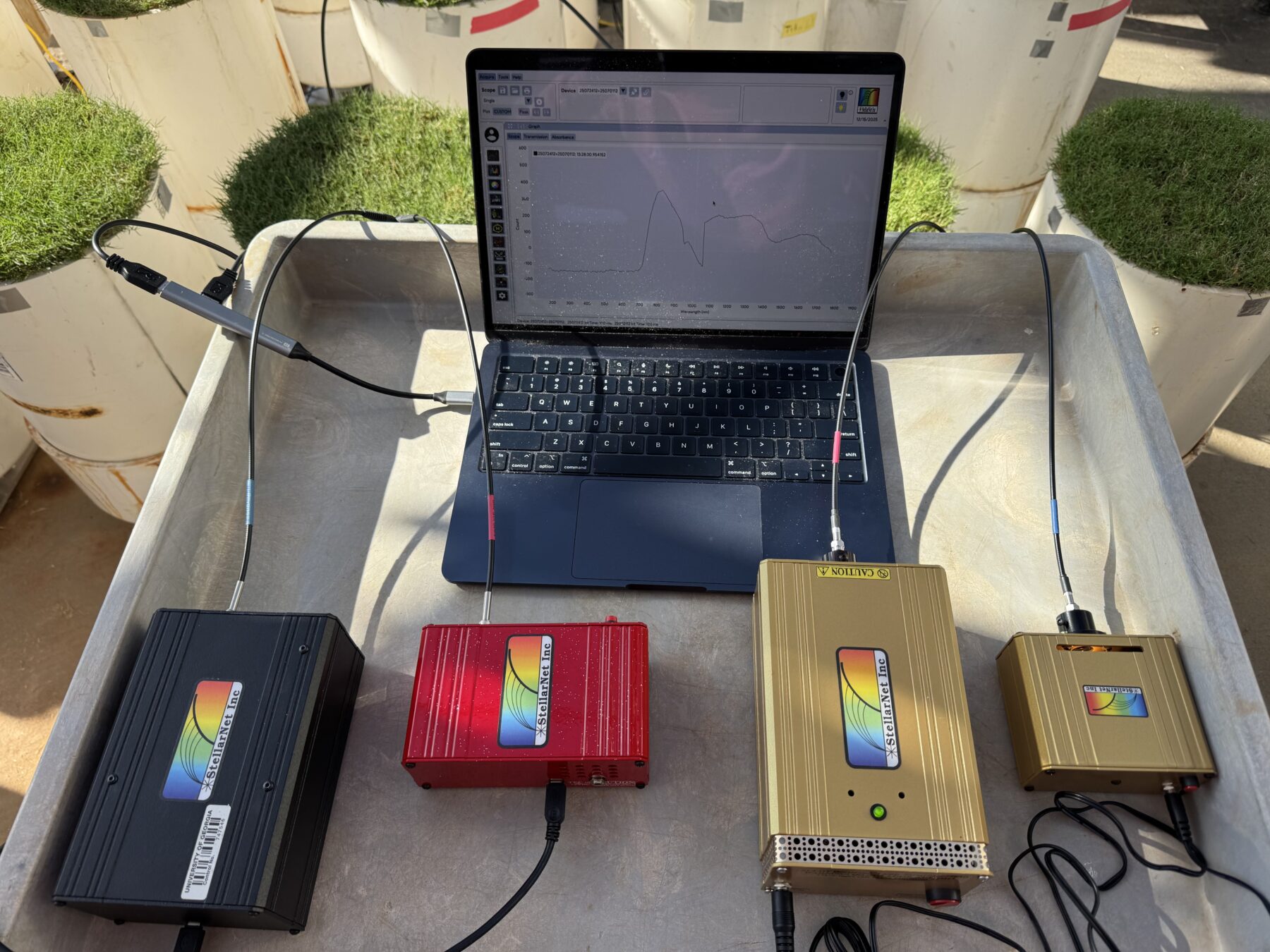
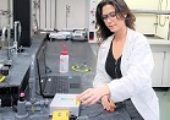
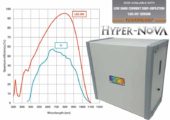
Spectroscopy in Action! Check out the Jespersen Lab’s dual-radiometer setup covering the 300-1700nm range. The Jespersen Lab focuses on turfgrass physiology and researching how plants respond to environmental stresses including heat, drought, salinity, and light-stress.