Industrial & Process Analysis
Industrial spectroscopy helps manufacturers understand materials and improve production processes. StellarNet systems make it possible to analyze materials quickly without interrupting the workflow. Spectral measurements can help identify unknown materials and verify that incoming materials meet specifications. They can also monitor changes during production and support consistent quality from one batch to the next. These capabilities are useful across manufacturing and processing environments where fast analysis matters. StellarNet solutions give manufacturers practical tools for process monitoring and quality control.
Featured Articles
Spectroscopy for Real-Time Fermentation Process Monitoring
Monitoring fermentation processes can help manufacturers maintain consistent conditions and improve process control. This research explores a multivariate process monitoring strategy using spectroscopy in a small-scale fermenter, demonstrating how real-time spectral data and chemometric models can support monitoring and control in a process analytical technology (PAT) environment.
Determining Gasoline Octane Numbers with Flame Spectroscopy
Octane number is a key measure of gasoline performance, but traditional testing methods can require significant time and specialized analysis. This research investigates a PLS regression model using flame emission spectroscopy to determine gasoline octane numbers, demonstrating how spectral data and chemometrics can support rapid fuel characterization.
Moisture Analysis in Crude Oil with NIR Spectroscopy
Moisture content is an important quality parameter in crude oil, where even small amounts of water can affect processing and transportation. This application explores how near-infrared spectroscopy can provide rapid, non-destructive moisture analysis, offering a practical approach for monitoring crude oil quality and supporting process control.
Customer Research & Publications

America Recycles Day: Identifying Plastics with NIR Spectroscopy
NIR Spectroscopy for Plastic Identification and Recycling America Recycles Day is a reminder that successful recycling starts with knowing what materials we have. Many plastics may look identical,...
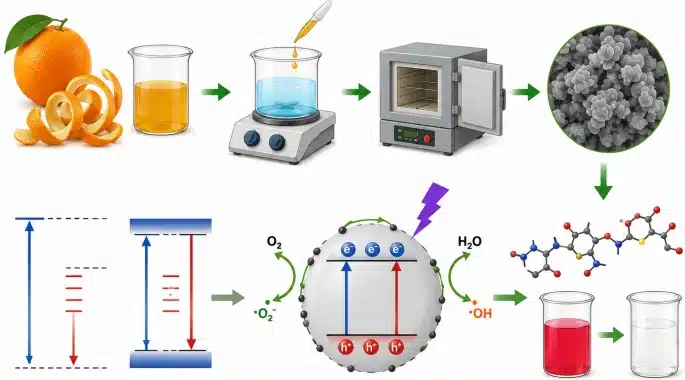
Defect-Mediated Electronic Structure Engineering of Green-Synthesized ZnO Nanoparticles Using Citrus sinensis Peel Extract for Enhanced Photocatalytic Degradation of Reactive Red 120
Ralf Ricardo Ramalho Junior, Vinícius Rodrigues Toledo, Erik Souza Pereira, Adhimar Flávio Oliveira, and Sandro José de Andrade | Journal of Electronic Materials | October 17, 2026 | ...
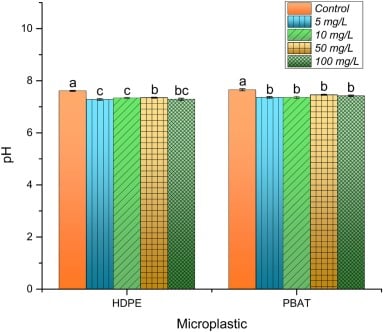
Effects of HDPE and PBAT microplastics on growth and fatty acid profile of Nannochloropsis sp.
César Sáez-Navarrete, Carmen Sans, Xavier Baraza, David Silva-Rodríguez, Andrés F. Arroyo-Avirama, Laura A. García-Gómez, Katina Isla, and Fernando Martínez | Algal Research – Biomass,...
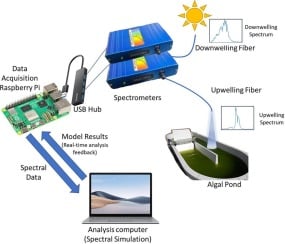
Autonomous monitoring of algal biomass: Success stories and lessons learned from long-term field deployment
Christopher Katinas, Marina Holder, Thomas A. Reichardt, John McGowen Jerilyn A. Timlin Abstract Autonomous, high-frequency monitoring of outdoor algal ponds is needed to quantify biomass...
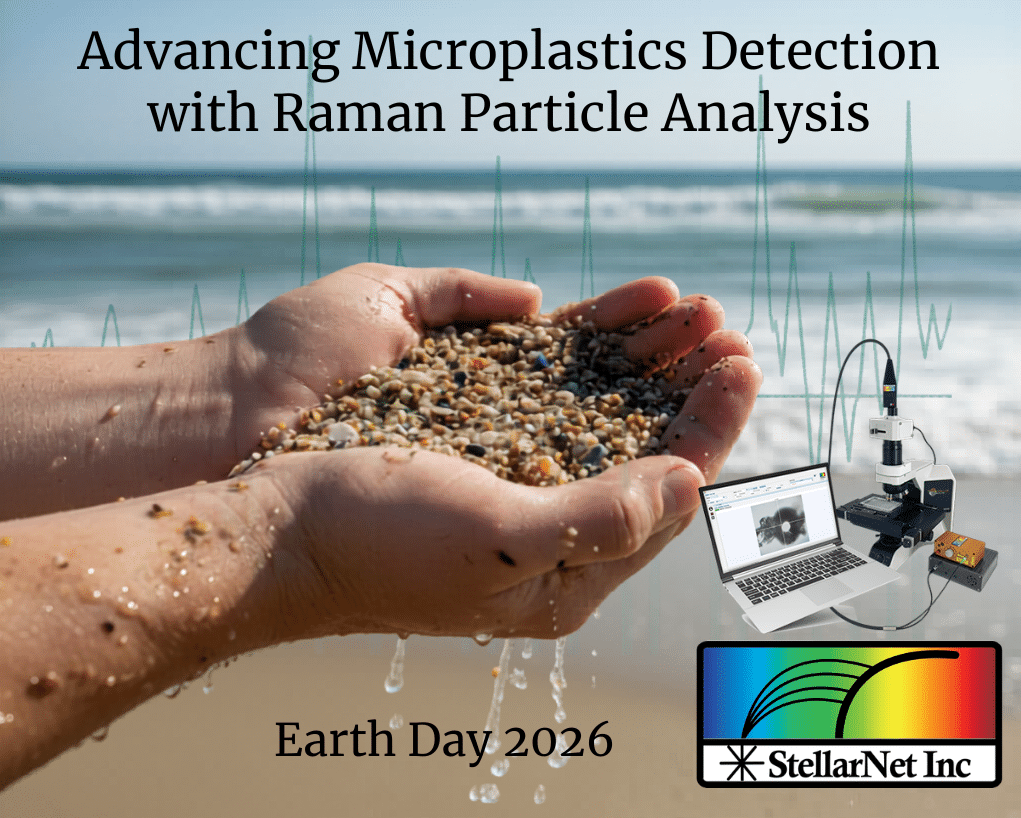
Earth Day 2026: Advancing Microplastics Detection with Raman Particle Analysis
Introduction: A Growing Environmental Challenge As global attention turns toward sustainability and environmental stewardship, microplastics have emerged as one of the most pervasive and least...

World Ocean Day: Characterization of the daily and circadian valve behavior of the European flat oyster Ostrea edulis
Alexandre Le Moal, Damien Tran, Laura Payton, Bernadette Pogoda, Bettina Meyer 29 April 2025 Abstract Marine organisms exhibit a multitude of biological rhythms synchronized with the interactions...
Key Application Areas
astronomy, space & remote sensing
food safety & quality
thin films & optical coatings
advanced & quantum materials
pharmaceuticals & nutraceuticals
biomedical & life sciences
environmental & microplastics
lighting, displays & radiometry
Recommended Spectrometers for
Industrial & Process Analysis
Learn More
Explore UV-VIS, NIR, Raman, color measurement, and OEM spectroscopy through practical guides, application notes, videos, technical resources, and real-world research. Learn how spectroscopy can support raw material verification, composition analysis, chemical identification, process monitoring, color measurement, quality control, and automated industrial analysis. These Learning Centers provide practical resources to help engineers, technicians, and manufacturers integrate spectroscopy into laboratory, at-line, in-line, and OEM measurement systems.
- Spectrometers Learning Center — Explore UV-VIS spectroscopy for industrial process analysis, concentration measurements, absorbance, transmission, reflectance, and quality control.
- NIR Learning Center — Learn about NIR spectroscopy for raw material verification, composition analysis, material classification, and rapid industrial process monitoring.
- Raman Learning Center — Explore Raman spectroscopy for chemical identification, raw material verification, contaminant detection, composition analysis, and process quality control.
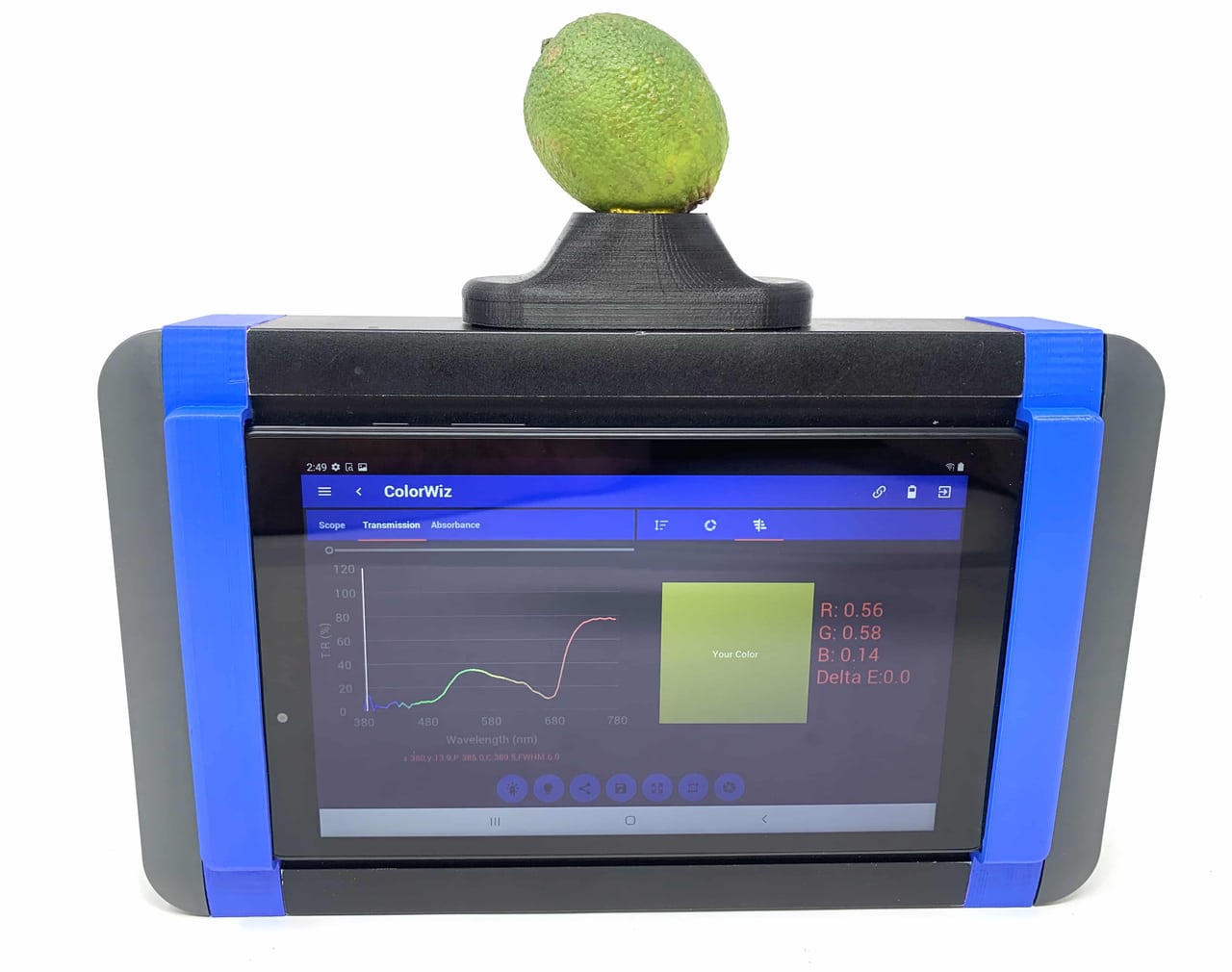
- Color Learning Center — Learn about spectroscopic color measurement for product consistency, batch comparison, coatings, plastics, liquids, and industrial quality control.
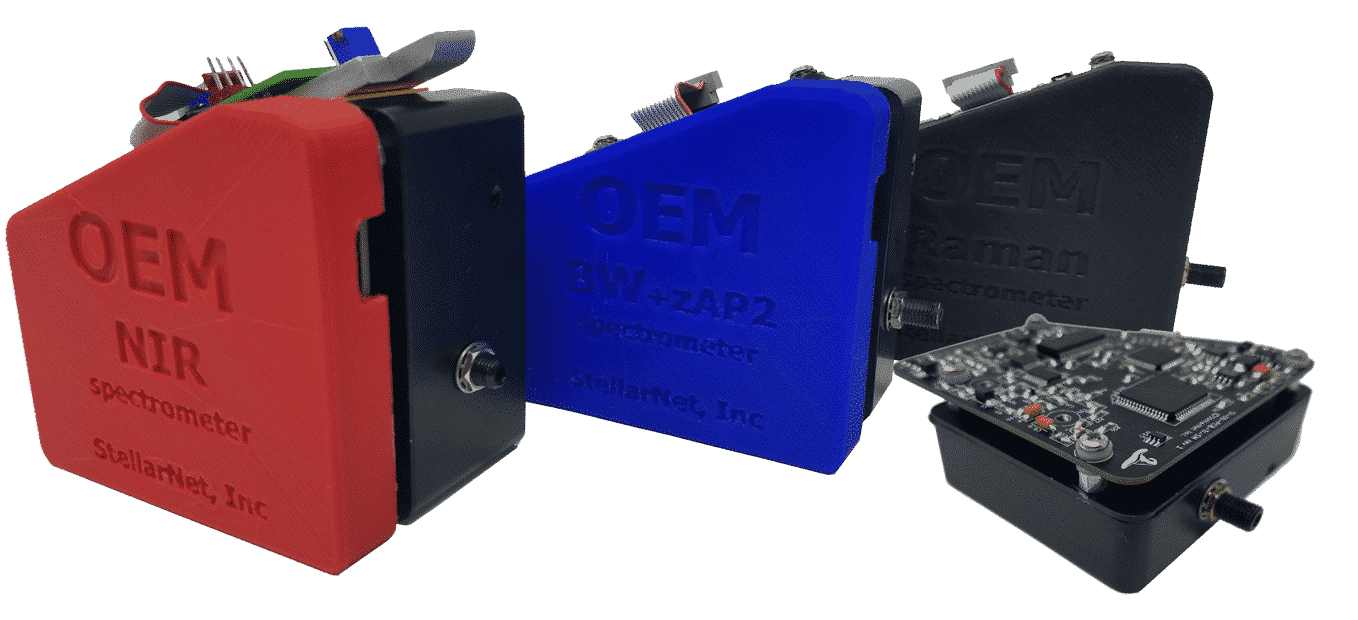
- OEM Learning Center — Explore OEM spectrometer integration, embedded spectroscopy, fiber-optic configurations, software integration, and custom industrial measurement systems.