Biomedical & Life Science
Featured Articles
Raman Microscopy for Early Colorectal Cancer Detection
Early detection is critical in improving outcomes for colorectal cancer, creating a need for sensitive methods that can identify subtle changes in tissue. This research explores how Raman microscopy can characterize biochemical differences in colorectal tissue, demonstrating the potential of molecular-level spectral information for early cancer detection research.
Optical Spectroscopy for Skin Lesion Classification
Optical spectroscopy offers a non-invasive way to investigate differences between healthy and abnormal tissue. This application explores how spectral measurements and machine learning can be used to classify skin lesions, highlighting the potential of spectroscopy as a rapid tool for supporting research into skin cancer detection and tissue analysis.
Wearable NIR Spectroscopy for Monitoring Brain Activity
Could NIR spectroscopy move brain activity monitoring beyond the laboratory? This project from Vladimir Pozdin and Alper Bozkurt combines NIR light sources, optical sensing, onboard electronics, and wireless connectivity into a compact wearable system for real-time monitoring of physiological responses associated with cognitive activity.
Customer Research & Publications
Homeostatic plasticity shapes the visual system’s first synapse
RE Johnson, NW Tien, N Shen, JT Pearson, F Soto… - Nature Communications, 2017 Abstract Vision in dim light depends on synapses between rods and rod bipolar cells (RBCs). Here, we find that these...
Selective Treatment of Pancreatic Cancer Cells by Plasma-Activated Saline Solutions
Z Chen, L Lin, E Gjika, X Cheng, J Canady, M Keidar - IEEE Transactions on …, 2017 Abstract Atmospheric discharge between a metal pin cathode and saline solution (SS) anode with different air gap...
INVESTIGATING LOW-COST OPTICAL SPECTROSCOPY FOR SENSING PRESSURE ULCERS
Diffuse Reflectance Spectroscopy has been used widely to characterize tissue properties for diagnostic and therapeutic applications. This thesis focuses on the use of spectroscopy for early pressure...
Technical Note: Sample Damage in Raman Spectroscopy
Raman spectroscopy is utilized in a variety of ways, ranging from the characterization of protein-nucleic acid interactions1 to analyzing dyes in ancient artwork2. When dealing with sensitive...

Diverse medical technologies: How Compact Spectrometers are being used to develop health-related methods and devices
Earlier, I wrote a piece about how StellarNet customers are using compact spectrometers to tackle the multi-headed beast that is cancer. While cancer is a large problem, it is but one of many in the...
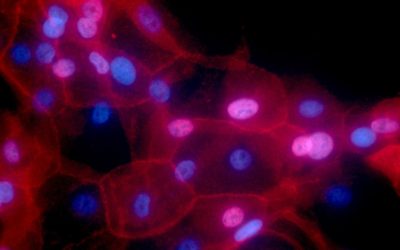
How Compact Spectrometers are being used in Cancer Research: Approaches to a Multifaceted Problem
Every week, it seems like another friend or family member is diagnosed with cancer. The American Cancer Society predicts that 1,688,780 people will be diagnosed with cancer and 600,920 people will...
Key Application Areas
Food Safety & Quality
Advanced & quantum materials
Thin Films & Optical Coatings
Pharmaceuticals & Nutraceuticals
Astronomy, Space & Remote Sensing
Environmental & Microplastics
Industrial & Process Analysis
Lighting, Displays & Radiometry
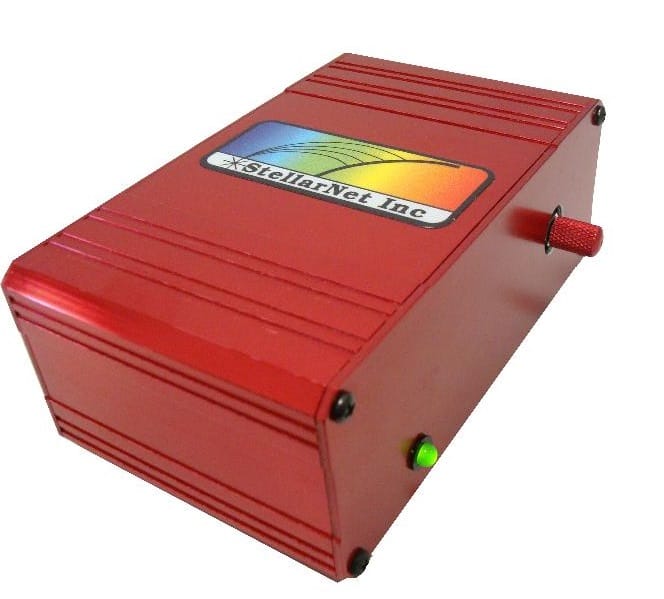
Recommended Spectrometers for Biomedical Applications
Learn More
Explore Raman, UV-VIS, and NIR spectroscopy through practical guides, application notes, videos, technical resources, and real-world research. Learn how these techniques can support biomedical and life sciences research, biomolecular analysis, tissue measurements, biosensing, physiological monitoring, and biomaterials characterization. These Learning Centers provide practical resources to help researchers understand their measurements and apply spectroscopy to biological and biomedical applications.
- Raman Learning Center — Explore Raman spectroscopy for biomolecular analysis, biological samples, cells and tissues, biosensing, and biomedical materials characterization.
- UV-VIS Learning Center — Learn about UV-VIS spectroscopy for absorbance, transmission, biomolecular measurements, assays, optical biosensors, and life sciences research.
- NIR Learning Center — Explore NIR spectroscopy for biological tissue measurements, physiological monitoring, biomaterials, composition analysis, and biomedical research.