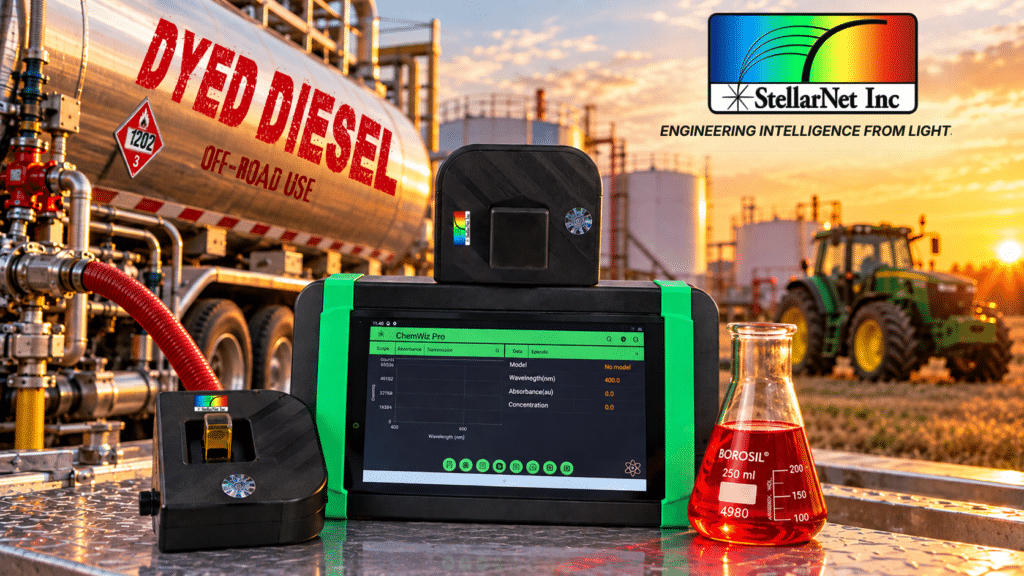
Red dyed diesel—also known as red diesel, off-road diesel, dyed diesel, or farm diesel—has suddenly become a national topic. On October 5, 2026, President Donald Trump signed an executive order temporarily allowing dyed diesel to be sold for and used on U.S. highways through December 31 while directing Treasury to consider deferral of certain applicable federal excise-tax payments. The order also provides relief from the normal federal penalties associated with selling or using dyed diesel for highway purposes during that period.
Behind that policy story is an interesting analytical question: How do you determine whether diesel contains red dye—and how much is actually present? The answer is visible spectroscopy.
What Is Red Dyed Diesel and Why Is It Red?
This is what makes red diesel an interesting spectroscopy application. The regulatory marker is present at only milligram-per-liter concentrations, but it produces a strong optical response in the visible spectrum that can be measured quantitatively.
Measuring Red Dye Concentration with Visible Spectroscopy
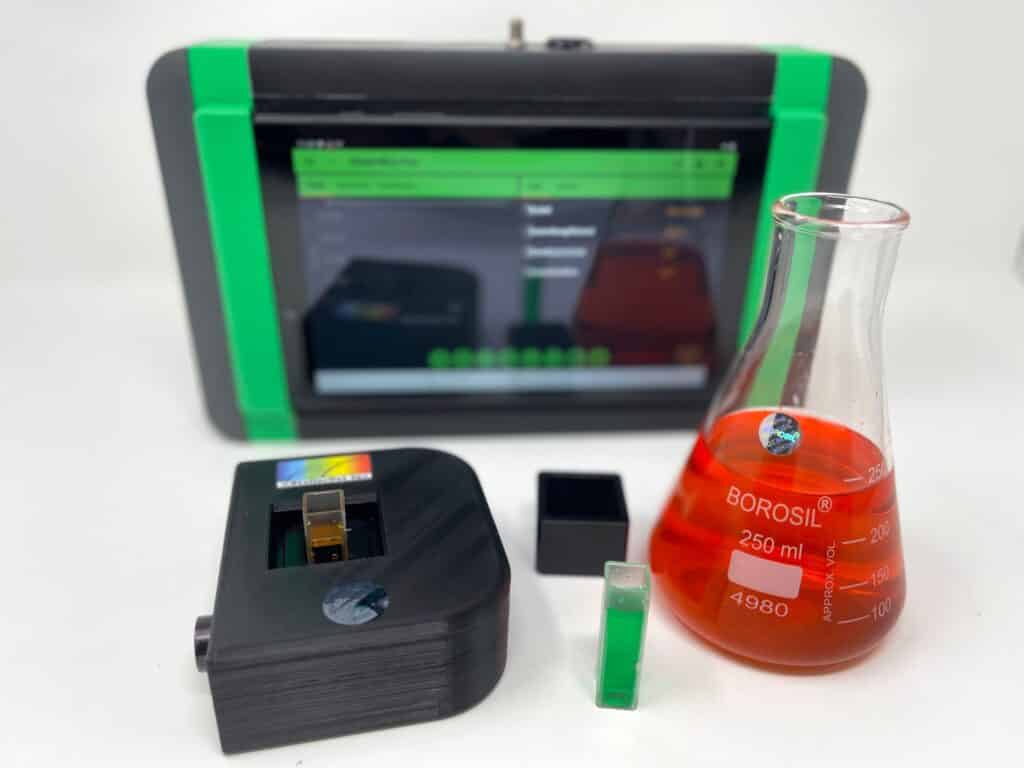
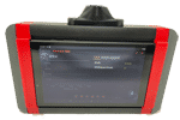
A StellarNet ChemWiz visible absorbance analyzer can combine a spectrometer, light source and cuvette sampling for full-spectrum analysis of liquid samples.
Red Diesel Testing: Who Tests Dyed Fuel—and Why 2026 Is Different
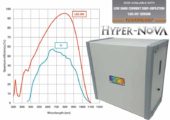
Full-Spectrum Red Diesel Analysis
Red dyed diesel demonstrates how a relatively simple optical measurement can have important consequences throughout an industrial supply chain. A small concentration of Solvent Red dye creates a measurable visible-spectrum signature that can be used for fuel quality control, dye concentration verification and regulatory testing.
ASTM already recognizes visible spectroscopy for these measurements. StellarNet’s broader family of UV-VIS spectrometers provides compact fiber-optic instrumentation for laboratory, industrial, OEM and portable applications, while the ChemWiz platform provides a pathway toward packaging spectroscopy, sampling and quantitative analysis into a purpose-built analyzer.