Environmental & Microplastics
Environmental spectroscopy provides fast, flexible tools for analyzing materials and monitoring changes in our environment. StellarNet UV-VIS, NIR, and Raman spectroscopy systems support applications including water quality and pollution monitoring, soil analysis, algae and vegetation research, chemical analysis, and microplastics identification.
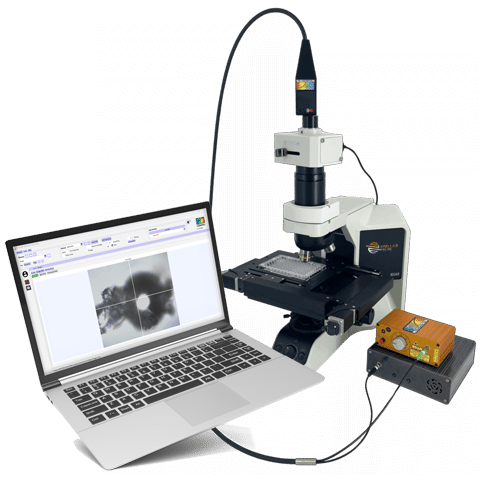
Raman spectroscopy can identify microplastics and polymers through their unique molecular fingerprints, while UV-VIS and NIR spectroscopy enable a wide range of optical and environmental measurements. With compact fiber-optic systems for laboratory, field, and real-time monitoring, StellarNet provides versatile spectroscopy solutions for environmental research and analysis.
Featured Articles
Assessing Land Cover and Soil Quality with Remote Sensing
Understanding changes in land cover and soil quality is important for environmental monitoring, agriculture, and land management. This research combines remote sensing, spectroscopy, and geographic information systems (GIS) to assess landscape characteristics and soil conditions, demonstrating how spectral data can provide valuable information across large areas.
Measuring Soil pH with Spectrophotometry
Advancing Microplastics Detection with Raman Spectroscopy
Microplastics are increasingly found across environmental systems, creating a need for faster and more reliable methods of identifying and analyzing particles. This Earth Day feature explores how Raman spectroscopy and particle analysis can help characterize microplastics, providing detailed chemical information that can support environmental research and monitoring.
Customer Research & Publications
High-light-like photosynthetic responses of Cucumis sativus leaves acclimated to fluorescent illumination with a high red
High-light-like photosynthetic responses of Cucumis sativus leaves acclimated to fluorescent illumination with a high red: far-red ratio: interaction between light quality … -November 2012 T...
Acclimation and interaction between drought and elevated UV‐B in A. thaliana: Differences in response over treatment, recovery and reproduction
Acclimation and interaction between drought and elevated UV‐B in A. thaliana: Differences in response over treatment, recovery and reproduction D Comont, A Winters, D Gwynn‐Jones - Ecology and...
Using a mobile real-time soil visible-near infrared sensor for high resolution soil property mapping
Using a mobile real-time soil visible-near infrared sensor for high resolution soil property mapping- November 2012 M Kodaira, S Shibusawa - Geoderma, 2012 In this study, we developed twelve...
Detection of stressed oil palms from an airborne sensor using optimized spectral indices
Detection of stressed oil palms from an airborne sensor using optimized spectral indices-December 2011 H Zulhaidi, M. Shafri, N Hamdan, and MI Annuar-International Journal of Remote Sensing, Vol....
In Vitro Model of Vitamin D Synthesis by UV Radiation in an Australian Urban Environment
In Vitro Model of Vitamin D Synthesis by UV Radiation in an Australian Urban Environment -Nov 2010 Alex Mc Kinley, Monika Janda, Josephine Auster, Michael Kimlin Vitamin D, an important constituent...
Specific Light-Emitting Diodes Can Suppress Sporulation of Podosphaera pannosa on Greenhouse Roses
Specific Light-Emitting Diodes Can Suppress Sporulation of Podosphaera pannosa on Greenhouse Roses -March A. Suthaparan, S. Torre, A. Stensvand, M. L. Herrero, R. I. Pettersen, D. M. Gadoury, . R....
Key Application Areas
Food Safety & Quality
Advanced & quantum materials
Thin Films & Optical Coatings
Pharmaceuticals & Nutraceuticals
Biomedical & Life Sciences
Astronomy, Space & Remote Sensing
Industrial & Process Analysis
Lighting, Displays & Radiometry
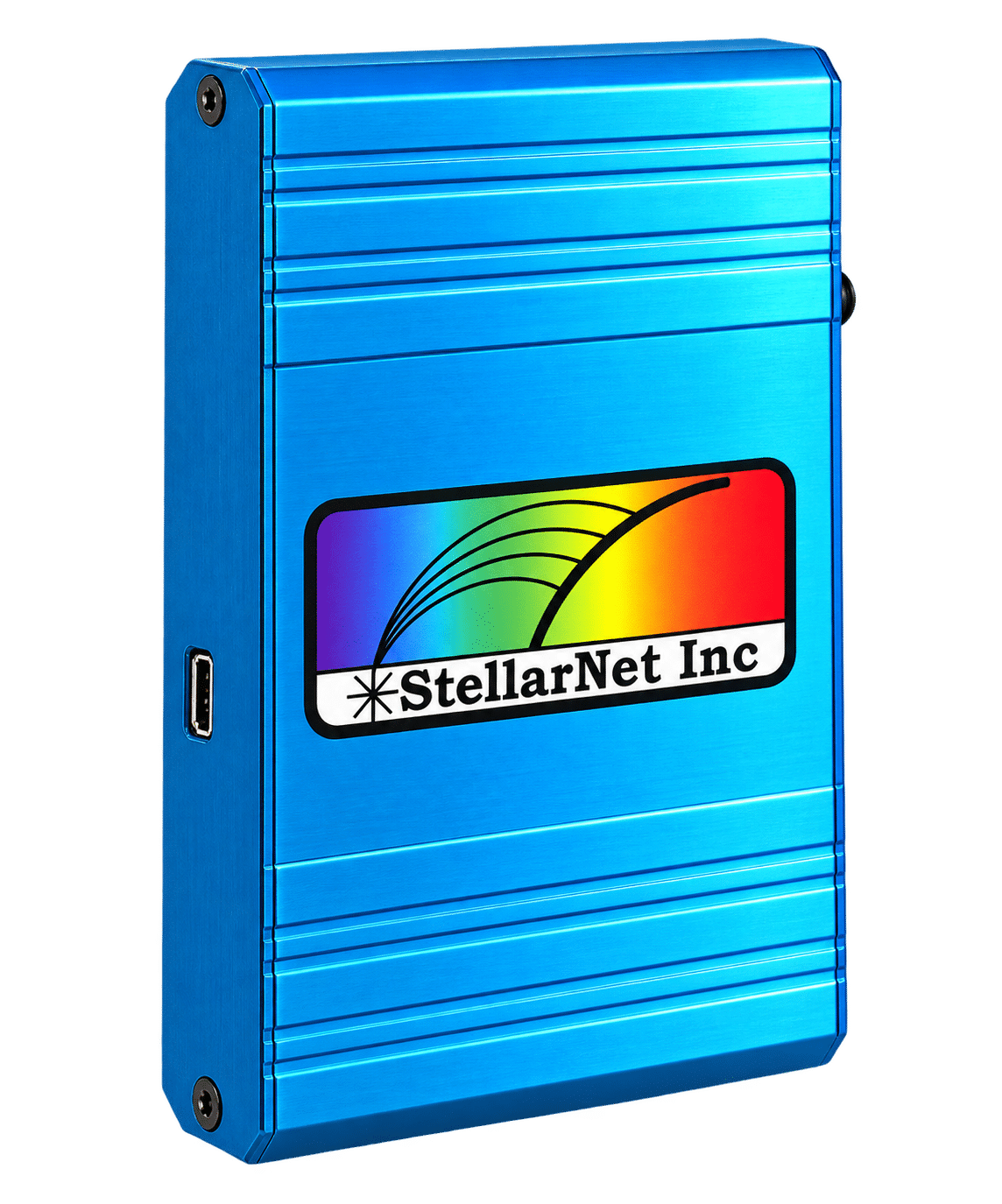
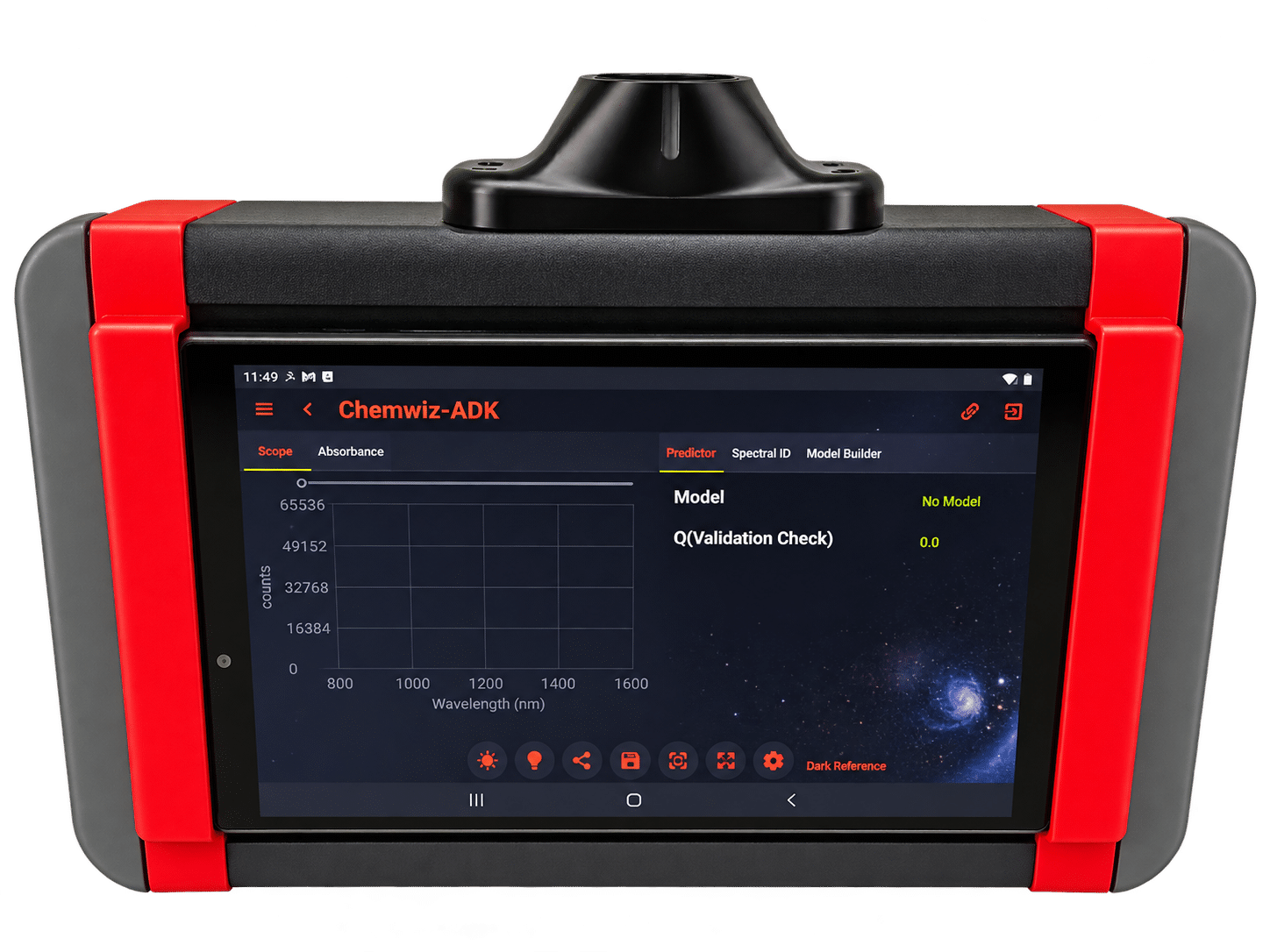
Spectrometers for Environmental Applications
Learn More
Explore environmental spectroscopy and optical measurement through practical guides, application notes, videos, technical resources, and real-world research. Learn the fundamentals of UV-VIS, NIR, and Raman spectroscopy while exploring techniques for environmental analysis, water quality research, microplastics identification, and material characterization.
Our Learning Centers bring together educational content and practical resources to help researchers and engineers better understand their measurements and make the most of their spectroscopy systems.
- Spectrometers Learning Center — Learn spectroscopy fundamentals, measurement techniques, spectrometer selection, applications, and practical resources.
- Raman Learning Center — Explore Raman spectroscopy for microplastics and polymer identification, molecular analysis, material characterization, and research applications.
- NIR Learning Center — Explore NIR spectroscopy for rapid material analysis, composition measurements, and chemical and environmental research.