Environmental & Microplastics
Environmental spectroscopy provides fast, flexible tools for analyzing materials and monitoring changes in our environment. StellarNet UV-VIS, NIR, and Raman spectroscopy systems support applications including water quality and pollution monitoring, soil analysis, algae and vegetation research, chemical analysis, and microplastics identification.
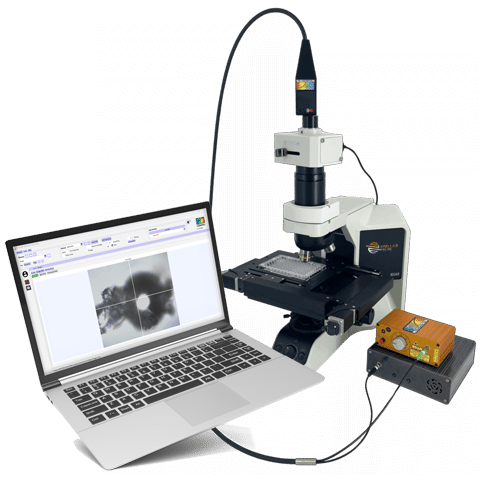
Raman spectroscopy can identify microplastics and polymers through their unique molecular fingerprints, while UV-VIS and NIR spectroscopy enable a wide range of optical and environmental measurements. With compact fiber-optic systems for laboratory, field, and real-time monitoring, StellarNet provides versatile spectroscopy solutions for environmental research and analysis.
Featured Articles
Assessing Land Cover and Soil Quality with Remote Sensing
Understanding changes in land cover and soil quality is important for environmental monitoring, agriculture, and land management. This research combines remote sensing, spectroscopy, and geographic information systems (GIS) to assess landscape characteristics and soil conditions, demonstrating how spectral data can provide valuable information across large areas.
Measuring Soil pH with Spectrophotometry
Advancing Microplastics Detection with Raman Spectroscopy
Microplastics are increasingly found across environmental systems, creating a need for faster and more reliable methods of identifying and analyzing particles. This Earth Day feature explores how Raman spectroscopy and particle analysis can help characterize microplastics, providing detailed chemical information that can support environmental research and monitoring.
Customer Research & Publications
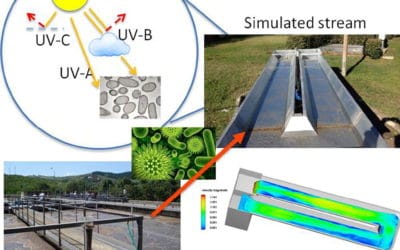
Simulating the fate of indigenous antibiotic resistant bacteria in a mild slope wastewater polluted stream
A Fiorentino, G De Luca, L Rizzo, G Viccione… - Journal of Environmental …, 2017 Abstract The fate of indigenous surface-water and wastewater antibiotic resistant bacteria in a mild slope stream...
Developmental effects of visual environment on species-assortative mating preferences in Lake Victoria cichlid fish
DS Wright, N Demandt, JT Alkema, O Seehausen… - Journal of Evolutionary …, 2016 Local adaptation can be a potent force in speciation, with environmental heterogeneity leading to niche specialization...
MEASUREMENT OF NITRATE-NITROGEN CONCENTRATION IN SOIL BASED ON ABSORPTION SPECTROSCOPY
MJ Preiner, NC Koshnick, JS White, JP Strachan - US Patent 20,160,146,728, 2016 The nitrate-nitrogen concentration in soil is estimated based on the nitrate-nitrogen 200 nm absorption peak. In one...
Warning signal properties covary with toxicity but not testosterone or aggregate carotenoids in a poison frog
L Crothers, RA Saporito, J Yeager, K Lynch, C Friesen… - Evolutionary Ecology Aposematic (warning) coloration is a highly conspicuous trait that is found throughout the animal kingdom. In several...
Environmental fate and effect assessment of thioridazine and its transformation products formed by photodegradation
ML Wilde, J Menz, C Trautwein, C Leder, K Kümmerer - Environmental Pollution, 2016 An experimental and in silico quantitative structure-activity relationship (QSAR) approach was applied to assess...
Pesticide degradation in water using atmospheric air cold plasma
Pesticide degradation in water using atmospheric air cold plasma C Sarangapani, NN Misra, V Milosavljevic, P Bourke - Journal of Water Process, 2016 FEB 2016 A high voltage dielectric barrier...
Key Application Areas
Food Safety & Quality
Advanced & quantum materials
Thin Films & Optical Coatings
Pharmaceuticals & Nutraceuticals
Biomedical & Life Sciences
Astronomy, Space & Remote Sensing
Industrial & Process Analysis
Lighting, Displays & Radiometry
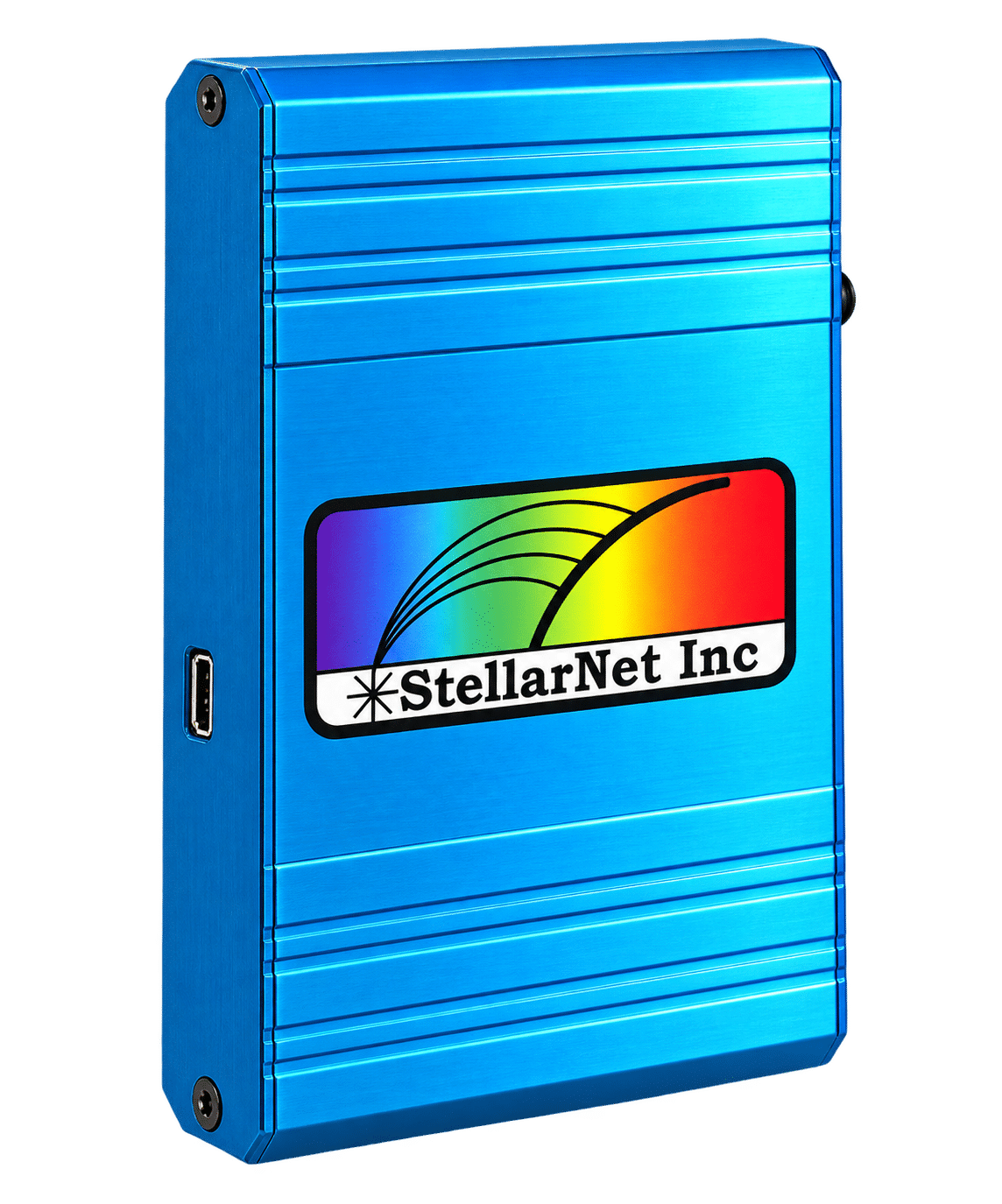
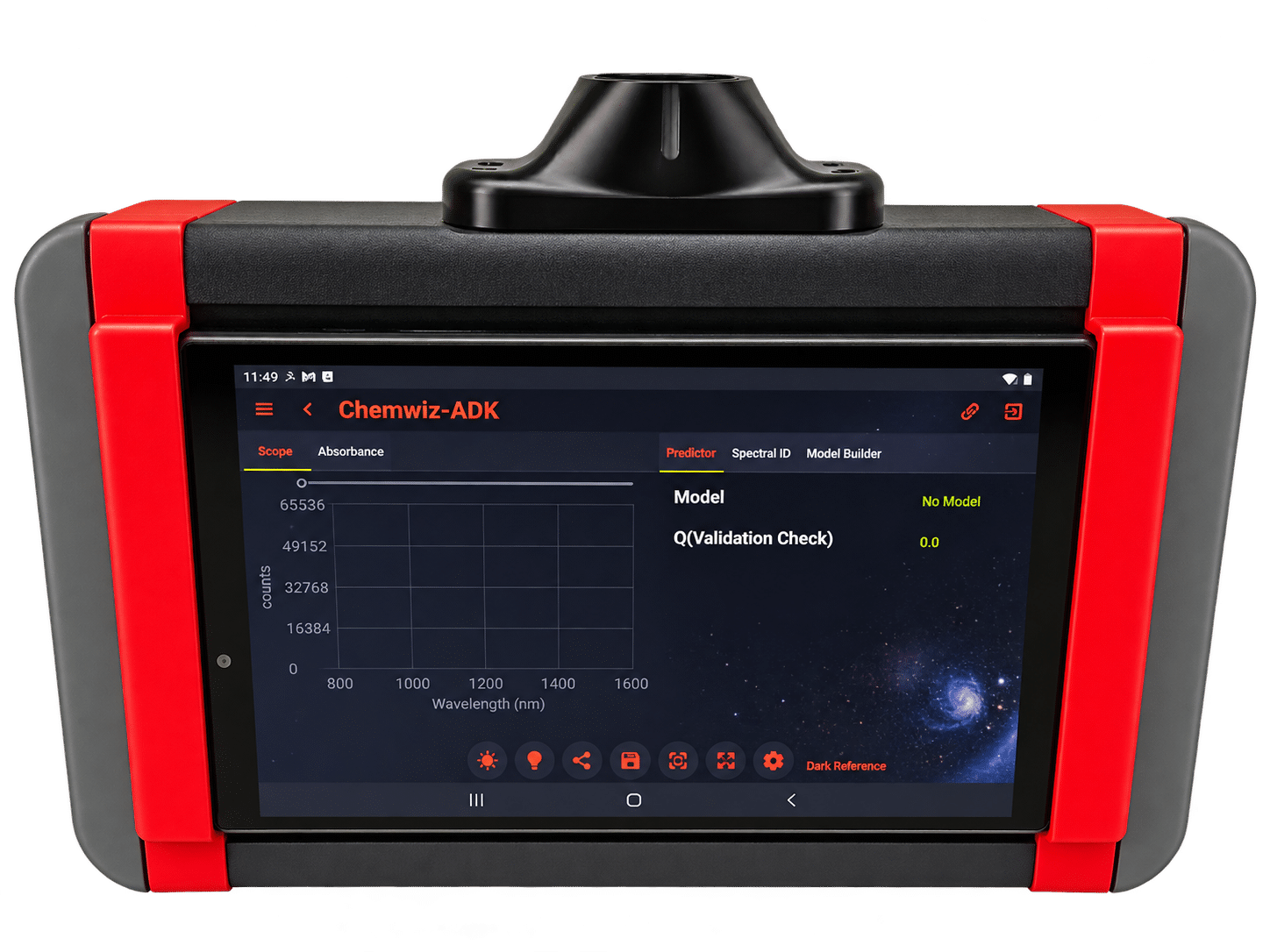
Spectrometers for Environmental Applications
Learn More
Explore environmental spectroscopy and optical measurement through practical guides, application notes, videos, technical resources, and real-world research. Learn the fundamentals of UV-VIS, NIR, and Raman spectroscopy while exploring techniques for environmental analysis, water quality research, microplastics identification, and material characterization.
Our Learning Centers bring together educational content and practical resources to help researchers and engineers better understand their measurements and make the most of their spectroscopy systems.
- Spectrometers Learning Center — Learn spectroscopy fundamentals, measurement techniques, spectrometer selection, applications, and practical resources.
- Raman Learning Center — Explore Raman spectroscopy for microplastics and polymer identification, molecular analysis, material characterization, and research applications.
- NIR Learning Center — Explore NIR spectroscopy for rapid material analysis, composition measurements, and chemical and environmental research.