What is Wavelength (Spectral) Range?
The wavelength range (also called spectral range) is the range of wavelengths that each spectrometer can measure. StellarNet offers spectrometer options that cover a 190-2500nm wavelength range. Wavelength range is based on the spectrometers grating’s ability...What is a Diffraction Grating?
Also called a grating for short, a diffraction grating is by far the most common dispersive element in spectrographs these days. As might be guessed, diffraction gratings work through diffraction. The gratings can be transmissive or reflective, but the principles are...What is Dispersion (concept)?
Generally, dispersion is an effect that happens because the velocity of waves in a material depends on wavelength. This manifests in many different phenomenon, but only one is encountered on a regular basis: the index of refraction is dependent on wavelength. This...What is a Spectrograph?
What is a Spectrograph? A spectrograph is an optical device that separates light into its individual wavelengths, allowing the spectral content of a light source or sample to be analyzed. It is a key component of a spectrometer and is responsible for dispersing...
Introducing our new Applied Spectroscopy Division
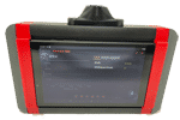
New Handheld Raman!
New! ChemWiz-ADK Handheld NIR Spectrophotometer with on board chemometrics and spectral matching!
Read More
Check out our SpectroChemistry Systems for UV-VIS and Fluorescence Applications
Learn More
New Spectrometer Python Application Driver
for Windows, Linux, RasPi, Mac
Check it out!
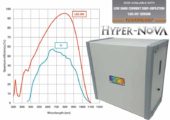
HYPER-Nova Highest Performance Raman Spectrometer
Learn More