

February 14th means love is in the air! The smell of roses, the taste of chocolate, the bubbly feel of wine on the palate. 250 million roses will be produced for this years’ Valentine’s Day. 73% of those will be red. Do you know why red is the most popular color? Continue reading to learn about the colors of your rose – from the deep spiritual meaning of the color to the evaluation of it’s color using our Analyzers for Industry ColorWiz Handheld Spectrometer!
The meaning of Rose Colors – Analyzing the Color of Love
Are you planning to give, or perhaps get, roses on this Valentine’s Day? Each rose color has a specific meaning, and each rose color has a specific spectra. Convenient, right? So let’s look at the spectra of love…
The color of a rose, like any other flower, is based on which color wavelengths are absorbed and which color wavelengths are reflected back. The color reflected back is the color you see. The flower must have the pigment necessary to reflect back that color. Flowers have a substance, anthocyanidin pigment, that causes the color in the flower.
Using our ColorWiz Handheld Spectrometer we measured as many different color roses as we could:

Red Roses
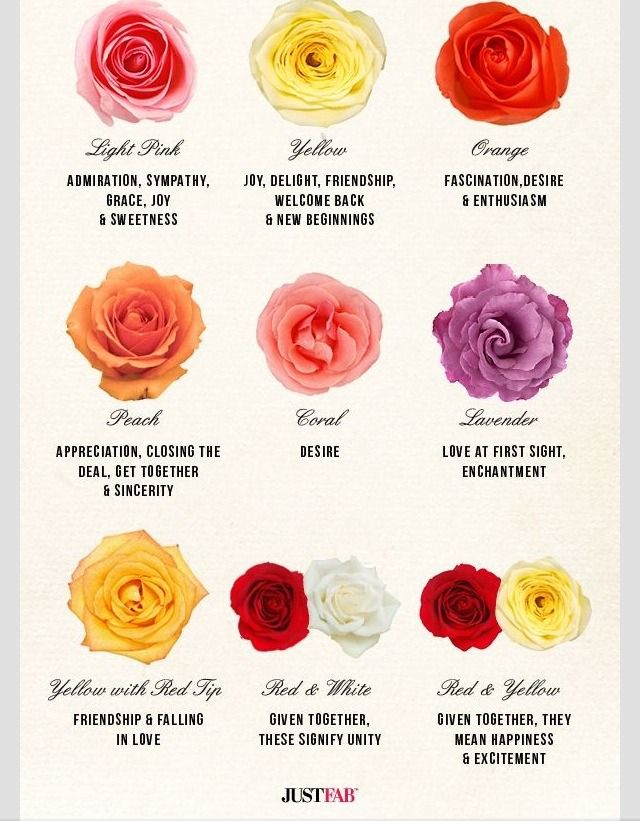
A red rose is the quintessential rose color. Of course, a red rose means Love, but it can also communicate passion and respect. The pigments in red roses absorb light in the blue and green regions of the visible spectrum (~450–570 nm). Since the blue and green wavelengths are absorbed, the remaining longer wavelengths—mostly in the red region (~600–700 nm)—are reflected. When this reflected red light reaches our eyes, we perceive the rose as red.

Yellow Roses
Yellow roses symbolize caring, friendship, and happiness, making them perfect for expressing appreciation, joy, and support. Carotenoids in yellow roses absorb light primarily in the blue (~400–500 nm) region of the spectrum. Since blue wavelengths are absorbed, the longer wavelengths in the green-yellow-red range (~500–600 nm) are reflected. Our eyes detect the reflected light, with the dominant wavelengths falling in the yellow region, making the rose appear yellow.

Pink Roses
Roses in the deepest shades of pink express gratitude and appreciation; very similar to the gratitude we feel towards you for reading our newsletter. The pigments in pink roses absorb light primarily in the green (~500–570 nm) region of the spectrum. Since green light is absorbed, the shorter blue-violet (~400–500 nm) and longer red (~600–700 nm) wavelengths are reflected. Our eyes blend these reflected wavelengths, creating the perception of pink—a mix of red and a hint of blue.

Orange Roses
Orange roses and their pinkish cousin, coral, symbolize desire, fascination, and enthusiasm, making them perfect for expressing admiration. The pigments in orange roses absorb light primarily in the blue (~400–500 nm) and some green (~500–570 nm) regions of the spectrum. Since blue and some green light are absorbed, the longer wavelengths in the yellow, orange, and red range (~570–700 nm) are reflected. Our eyes interpret the mix of reflected yellow and red wavelengths as orange.
Purple Roses
The purple rose communicates love at first sight, enchantment, and desire and is the last naturally occurring shade of rose.
Blue Roses
Blue roses represent mystery, the impossible, or the unattainable – which makes sense, since the ability to naturally achieve a blue rose is impossible. Blue Roses do not naturally occur in blue because they lack the anthocyanidin pigment delphinidin, which is the cause of blue colors in flowers. No amount of breeding or hybridization of roses can result in a true blue rose. It’s not a matter of uncovering a recessive gene. There is no gene for blue.”
How do they make blue roses? Cut white roses are sprayed blue with floral paint or the stems are placed in blue dyed water. As the white roses absorb the blue water, the veins in the flowers turn blue first and finally the flower will take a blue color.
Black Roses
The black rose is a mysterious bloom that can convey many meanings – either death and mourning, but also renewal to new life and hope. However, like the blue rose, no flowers are truly black, including roses, because no flower absorbs all the light waves so nothing is reflected back. The flower would have to have the pigments for red, blue and green for the rose to be black.
February Customer Publication Spotlights
From sparkling wine to delectable chocolate, our customers have been using spectroscopy to control and assure quality. Here are applications where spectrometers have been used to assess the quality of these fine sentiments of love…
Sensory evaluation of the chocolate is highly influenced by the quality of chocolate. Normally, consumer panels are used to determine the sensory properties of chocolate, but here spectroscopic methods have been developed that are more accurate and lower cost than consumer panels. Using near-infrared spectroscopy and machine learning, researchers in Australia and New Zealand developed models to predict the physicochemical parameters and sensory descriptors of chocolate…

Remember when we told you that blue roses don’t occur in nature because they lack the anthocyanidin pigment delphinidin, which is responsible for the blue pigments in flowers. Experts postulate that immense floral trait variation has likely arisen as an adaptation to attract pollinators…

High quality sparkling wine is a labor-intensive process. Rosé sparkling wines are no exception – post-bottling storage is a critical phase for rosé sparkling wines because they are photosensitive and suffer from degradation over time, resulting in color and aroma changes. Researchers have used spectroscopy to evaluate the impact of different storage conditions on the sensory profile and color of the post-storage wine.