Select Page

Patrice E. Baumhardt, Hannah E. Moon, Megan L. Porter, and Esteban Fernández-Juricic  |  Journal of Ornithology  |  October 14, 2026  |  10.1007/s10336-026-02444-y

Abstract

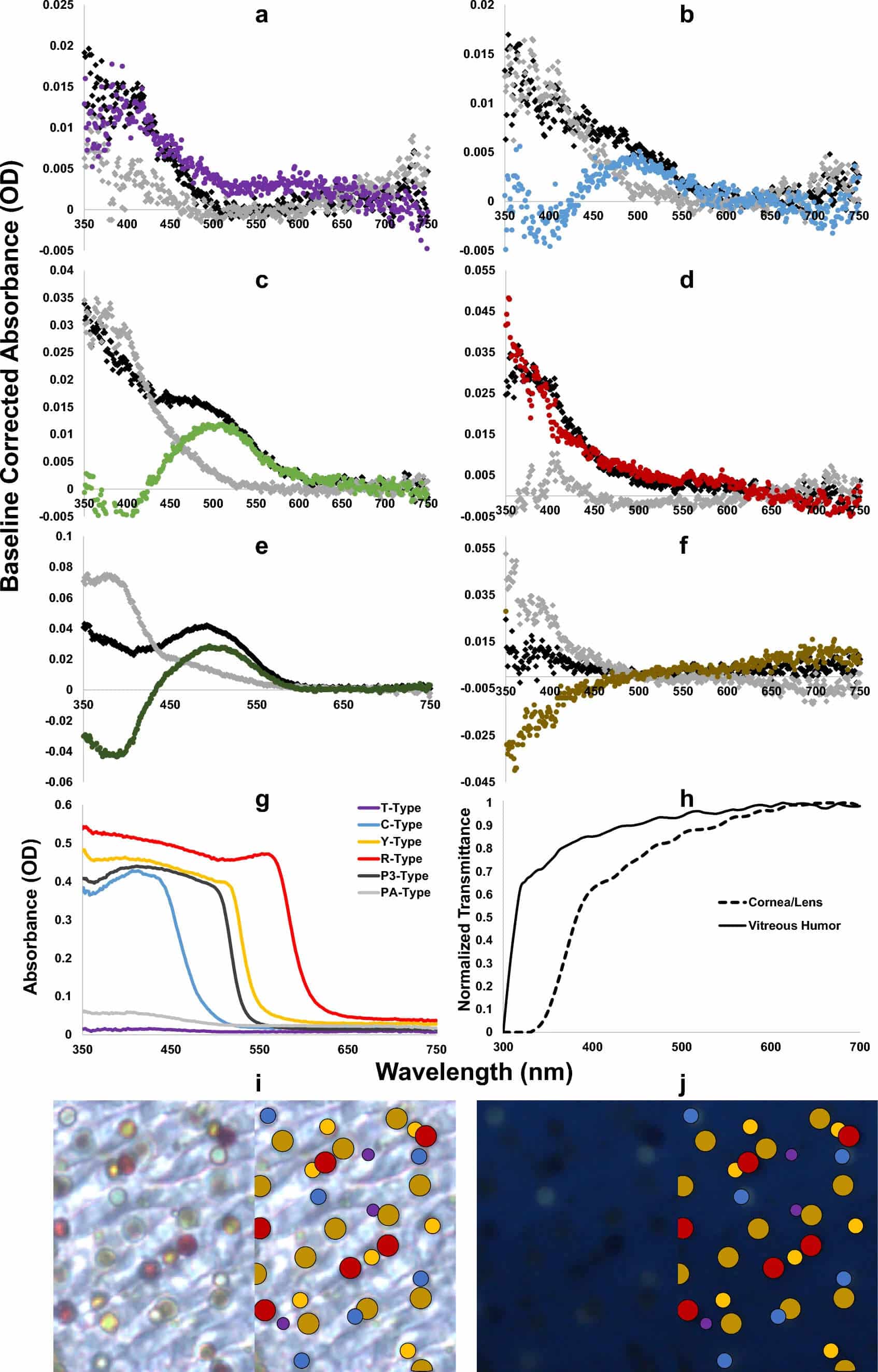
The authors combined ocular-media transmission measurements, retinal microspectrophotometry, and opsin-sequence analysis to build the first detailed account of color vision in the endangered Hawaiian Goose. The sampled bird showed a violet-sensitive visual system with all five avian opsin classes, limited ultraviolet transmission through the eye, and comparatively strong sensitivity in the green-to-yellow range. Because physiological measurements came from one individual, the paper presents the findings as a case study rather than a population-wide conclusion.


StellarNet equipment used: StellarNet, Inc. transmission fixture; model not specified. The connected Jaz spectroradiometer was manufactured by Ocean Insight, not StellarNet.

How it was used: The StellarNet transmission fixture held the dissected cornea and lens while the connected spectroradiometer measured ocular-media transmittance. Those spectra were used to calculate the wavelength at which transmission reached 50 percent and to model the bird's visual sensitivity.

Effects of HDPE and PBAT microplastics
icon-angle icon-bars icon-times